Monthly Archives: March 2012

What did biscuit beetles eat before humans invented the custard cream?

Our kitchen hygiene has improved of late. I have not seen a biscuit beetle, Stegobium paniceum, for over a decade. They are, methinks, a declining species in East Dulwich. I blame all the new grand kitchen extensions being built, with sliding glass doors, picture windows, flush-fitting cupboards, and Tupperware storage boxes.

Our previous house, over in Nunhead, had a very unfitted kitchen. We unfitted it ourselves. And in place of the crammed and cramped wall units and plastic work surface, we stuck in a salvaged (for which read ‘old’) chest of drawers for the plates and saucepans, and put some shelves into the old larder alcove to make…well, a larder. This was cutting-edge kitchen chic at the time, or so we thought.

It was after a week of finding the small beetles floating in the milk of my breakfast cereal that I decided to try and find the source of the Stegobium infestation. They  were in the porridge, the Shreddies and the Rice Crispies, in the sugar, flour, lentils, rice and paprika; they had bored holes into the spilled cat biscuits knocked under the boiler; they had chewed through the tin foil of the Oxo cubes. And they had turned my medium egg noodles into ticker-tape. Of course, I thought this was fascinating. But I did agree it was a bit much to be sharing the kitchen with so much wildlife — we had a clear out.
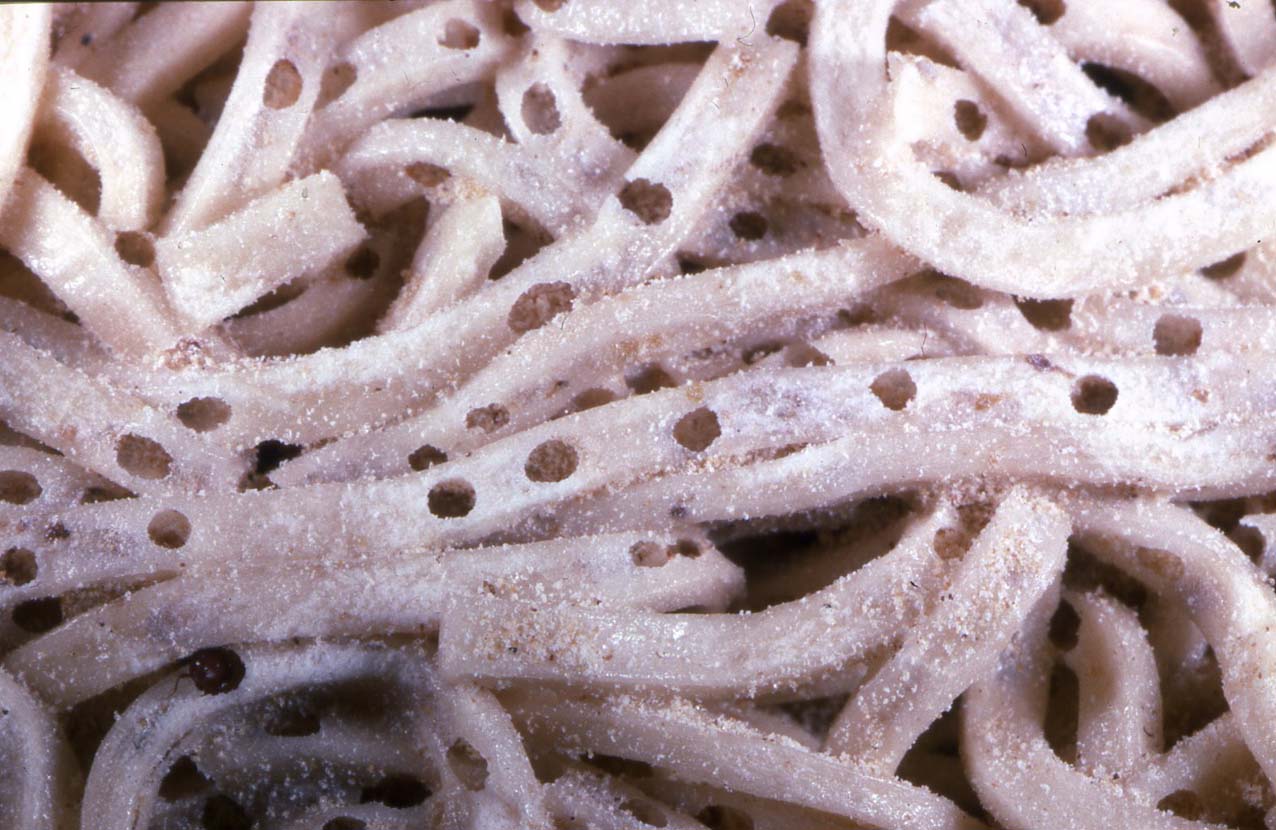
My noodles have been ticker-taped by biscuit beetles. You can just see the behind end of one, bottom left.

Although in Britain this is the ‘biscuit’ beetle, a sign of our predilection for a little something to dunk in our tea, elsewhere in the world it is usually the ‘drugstore’ beetle. I’m guessing that this is because it feeds on the milk or starch powder that makes up most of the aspirin tablet, rather than an addiction to pharmaceutical products.

I recently got to thinking about where these cosmopolitan beetle pests might have lived, before they became so attached to our store cupboards and bread bins. The only time I have ever found Stegobium ‘in the wild’, was in a series of small ledges under arched supports of bridges over the River Wandle, in Wandsworth and Deptford Creek, in Lewisham, accessible only by boat. I poked out some of the grass, leaf litter and bird droppings accumulated  during the many years they had been the perfect shelter for feral pigeon nests. Stegobium was present in droves.

Perhaps pieces of bread and digestive biscuit had been brought back to these nesting ledges, although having seen pigeons squabble over the crumbs fed to them in parks, I suspect that if it is not swallowed at once it will be pinched by some other bird. In the end I doubt much human food gets returned here. On the other hand, the grass used to line the nest cavities was often heavy with seeds. It is these seeds, which would seem the obvious ‘natural’ food for Stegobium. Grass seeds, after all, gave us the staples of modern human food — wheat, oats, barley and rice — from which we have created biscuits, bread and breakfast cereal.

How to startle a chemist?

When I found Rhopalapion longirostre, a tiny weevil that feeds on garden hollyhocks, new to Britain in June 2006, I immediately set about composing a short article for The Coleopterist announcing its discovery. These short notes, published in the various entomological journals were, until the advent of the anonymous database, the basic stuff of biological recording, and the first act of anyone researching a particular species, or habitat, or locality, was to trawl the literature for records.

They are also, to some extent, the currency of the field entomologist’s kudos — “look what I’ve found”. So I was a bit put out when the editors cut what I thought was a key part of the information. I found the weevils as I was wandering around the gardens of the local church — that much made it into print. But why was I there? Not out of any religious conviction, but to take my young daughters to their ballet lesson in the church hall next door. While we waited, I carried my 1-year-old son around as we explored the sunny grass and watched ants busy on the patio. It was here, on the hollyhocks beside the church steps, that I found and immediately recognized the weevils, small, but thoroughly distinctive because of their unfeasibly long snouts. In order to collect a few specimens I needed a container so, I simply tipped out a couple of broken bread sticks and a few left-over raisins from the pocket Tupperware box that had contained 1-year-old’s afternoon snack. These details, obviously, were considered unnecessary twaddle, and the editorial red pen had excised them. A shame, I thought.

I like to flick through old volumes of The Entomologist’s Monthly Magazine (EMM), or Transactions of the Entomological Society, or The Entomologist’s Record and Journal of Variation. It is just this sort of ephemeral incidental detail that makes some of the old articles so entertaining 100 and more years after they were first published. They are all full of fascinating notes and records by what we now regard as the fathers of British entomology (hardly any women in those days, I’m afraid), but they also contain so many entertaining social commentaries and personal asides.

I recently came across this one, from the EMM, 1869, volume 6, pages 162-163, and I’ve taken the liberty of making a screen grab from the on-line version put up by the Biodiversity Heritage Library. It makes charming reading.

I wonder if there is still a chemist to be startled near Dartford station?

John William Douglas (1814–1905) was one of the foremost entomologists of his day, a president of the Entomological Society of London (later to become the ‘Royal’ in 1933) and one-time editor of the journal into which he put this snippet. He was an erudite and learned scientist, but even so he was not above inserting some ‘trivial’ personal details into his short note on this scarce little hopper. The result — a readable and informative record of an insect still restricted to a few rough grassy places within easy distance, as the house-agents say, of the built environment in the environs of London, chains and slavery.

It makes a change from some of the dreary pieces that get published in scientific journals today. I shall aspire to emulate Mr Douglas, and try to get in something about startling a chemist next time I find a beetle new to Britain.

Real entomologists use aspirin bottles

I was recently reminded of the tale, told by Charles Darwin in later life, about his fervent beetle-collecting youth. Peeling off the loose bark of a dead tree, probably somewhere in Cambridgeshire, he saw two rare beetles and picked them up, one in each hand. On spotting yet another he was momentarily at a loss, but then decided to pop one of those he held into his mouth for safe-keeping, in order to free up his hand to catch the third. Of course it ejected some foul liquid and in the inevitable coughing, spluttering and choking fit that followed he lost all three.

Personally, I think Mr Darwin was being a bit sloppy. No real entomologist ever leaves home without at least some potential collecting containers about his or her person. A couple of glass tubes in a top pocket are the usual answer, but at a push, almost anything can be brought to use — empty humus pots, take-away containers, matchboxes, plastic milk bottles, urine sample kits. I once had to remove the ink cartridge from my fountain pen to drop in a small picture-wing fly — worked a treat.

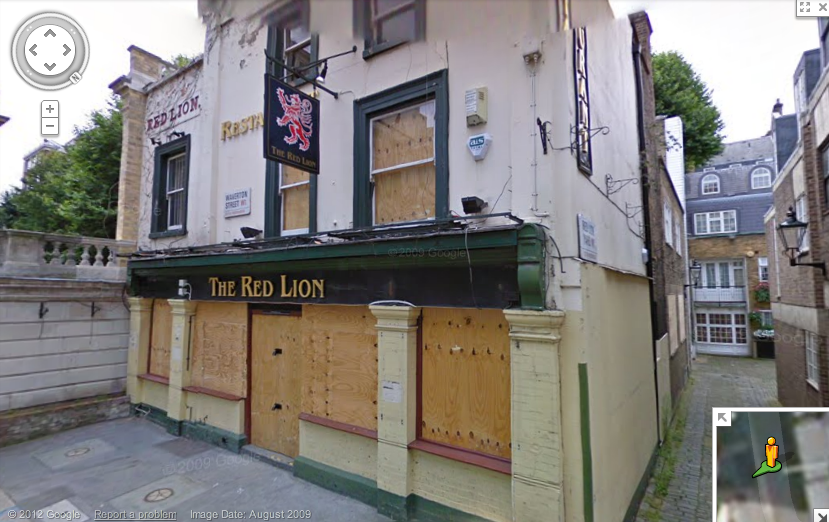
So when, sitting in the Red Lion Pub in London’s Mayfair, some time back in the 1980s, it was no surprise when the person next to me took out a brown aspirin bottle from his pocket and offered me some of the contents. The American tourists sitting nearby were agog, and nudged each other surreptitiously until I explained that this was the perfectly normal behaviour of anyone who had just left a meeting of the British Entomological and Natural History Society. After leaving the lecture hall of the Alpine Club, in South Audley Street, where the meetings took place, a hard core would descend on the snug bar at the Red Lion in Waverton Street (it’s now boarded up, presumably about to be redeveloped). Here we would cogitate on the proceedings of the meeting, and continue earnest discussions about the correct way to find obscure leaf-mining moths, or ruminate on the last time anyone had seen a Clifden Nonpareil.

They must have closed it down because of the strange behaviour of some of the clientele.

Unscrewing the pill bottle, he gingerly tipped out a couple of beetles into the palm of my hand — Melasis buprestoides, a strange and handsome creature, I think I had only ever seen it once or twice before. Working for the National Trust biodiversity team, Andy Foster had plenty of opportunity to find such bark beetles, especially those, like Melasis, which are particularly at home in ancient woodland remnants. Would I like a specimen or two? Actually, they are much larger than the diminutive one I remembered finding in Sussex. Might be the other sex. Yes, I’ll take a couple for my reference collection. Now let’s see what I’ve got to put them in. A small glass tube tucked into the side pocket of my brief case. Perfect. If only Mr Darwin had been so prepared.

What a waste — what is the biodiversity value of urban brownfields?

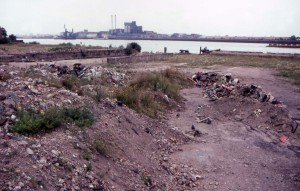
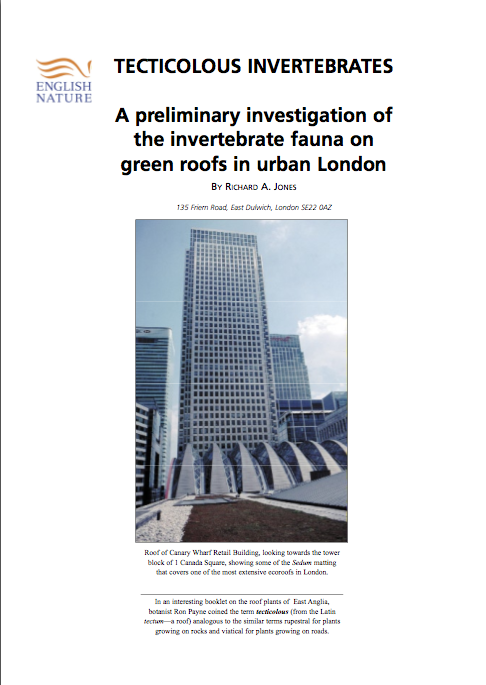
Bulldozed piles of rubble, twisted metal and rubbish — ugly, dirty, smelly, dangerous. Brownfields have an real image problem. Click on picture for PDF of lecture text.

On Friday 9 March 2012, I gave a lecture, so titled, at Birkbeck College, University of London.

Derided as economically useless ‘wastelands’, brownfields are often portrayed as being little more than bulldozed heaps of rubble, twisted metal and rubbish — dirty, smelly, ugly, dangerous. Brownfields, truly, have an image problem.

It starts with the name. Brown is not a cool colour; it is the colour of dirt, the colour of excrement. More importantly, brownfields are seen as not green. And, conversely, green is the colour of the moment, the colour on everyone’s lips. Green is the colour of the countryside; it’s the colour of nature, the colour of goodness. More than this, green has been misappropriated by anyone wanting to link into these aspirational attributes; green has become a powerful brand. Leaving aside the Green Party, which has commandeered the word as part of its very name, even in general parlance the environmental movement is usually described as a green movement, companies are keen to show off their green credentials, we all aspire to green living. Green is so cool. I wouldn’t like to contemplate for a moment what might be the response if I said I was part of a brown movement.

Brownfields are, nevertheless, very important for wildlife; in particular they are important for invertebrates — insects especially. The trouble is that insects are imbued with their own image problem. When Ridley Scott needed a model for his blood-thirsty, parasitic, shiny, armored Alien, he leant heavily on the imagery of insects. If insects were the size of cats or dogs, they would be the most terrifyingly awful creatures on Earth. Unfortunately, even though insects are very small, many people think they are already quite awful enough thank you. Trying to show that brownfield sites are worthy of ecological study and even environmental conservation because of their invertebrate interest, is a doubly uphill struggle. But I will try.

Here is the text of the lecture.

Verrall Supper 2012

The Entomological Club, an exclusive 8-member cabal of entomologists formed in 1826, is the oldest extant entomological society in the world. Apart from informal meetings at member’s houses to exchange specimens and discuss the latest taxonomic turns of the day, an annual meeting, followed by dinner for members and guests, was instigated. When George Verrall joined The Club in 1887 he took the dining to new heights — mainly by paying for it himself.

When he died, in 1911, he left a small sum of money to keep the annual meeting alive, but the dinner had to become self-financing. In his honour, it has been the ‘Verrall Supper’ ever since.

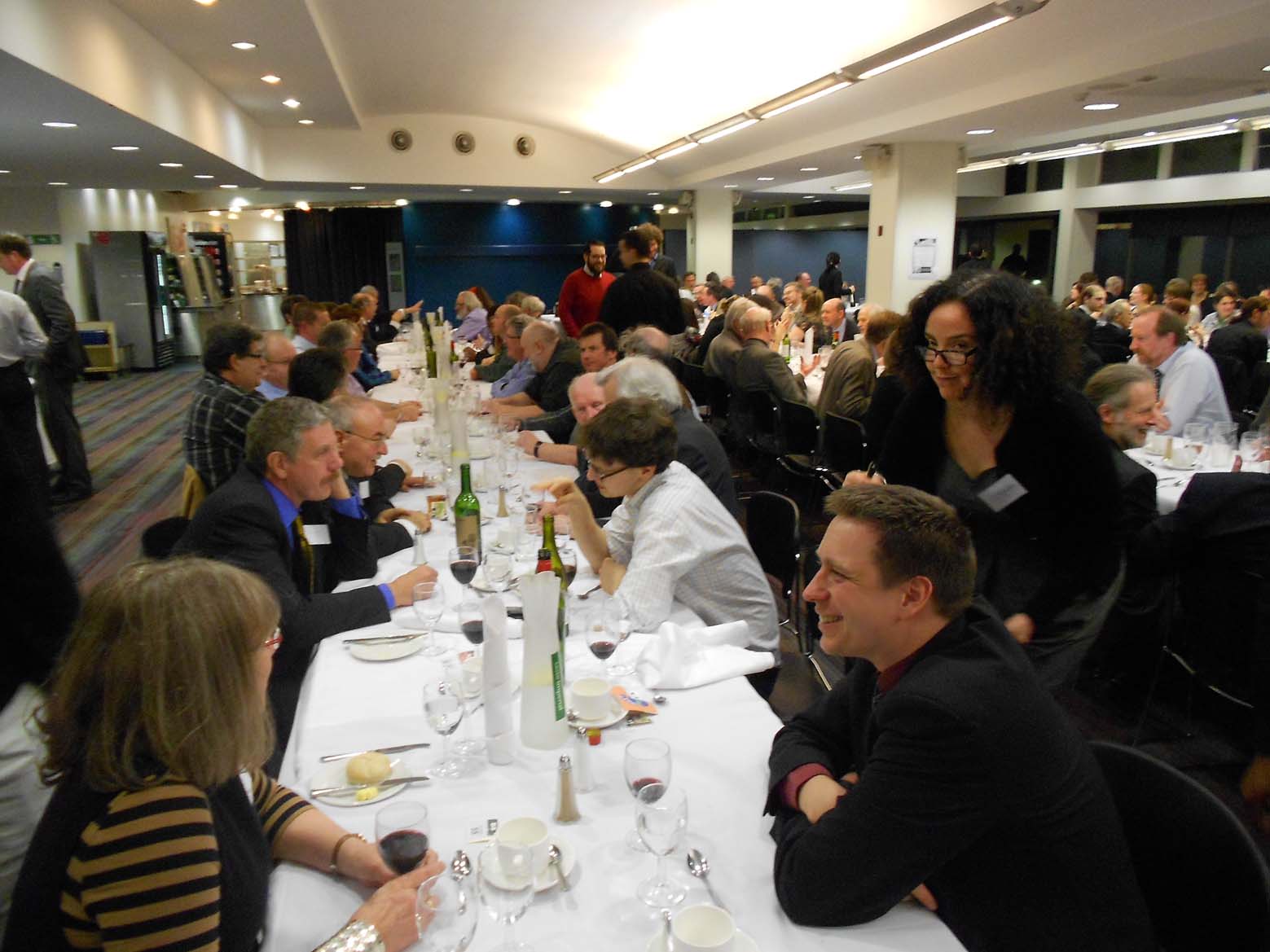
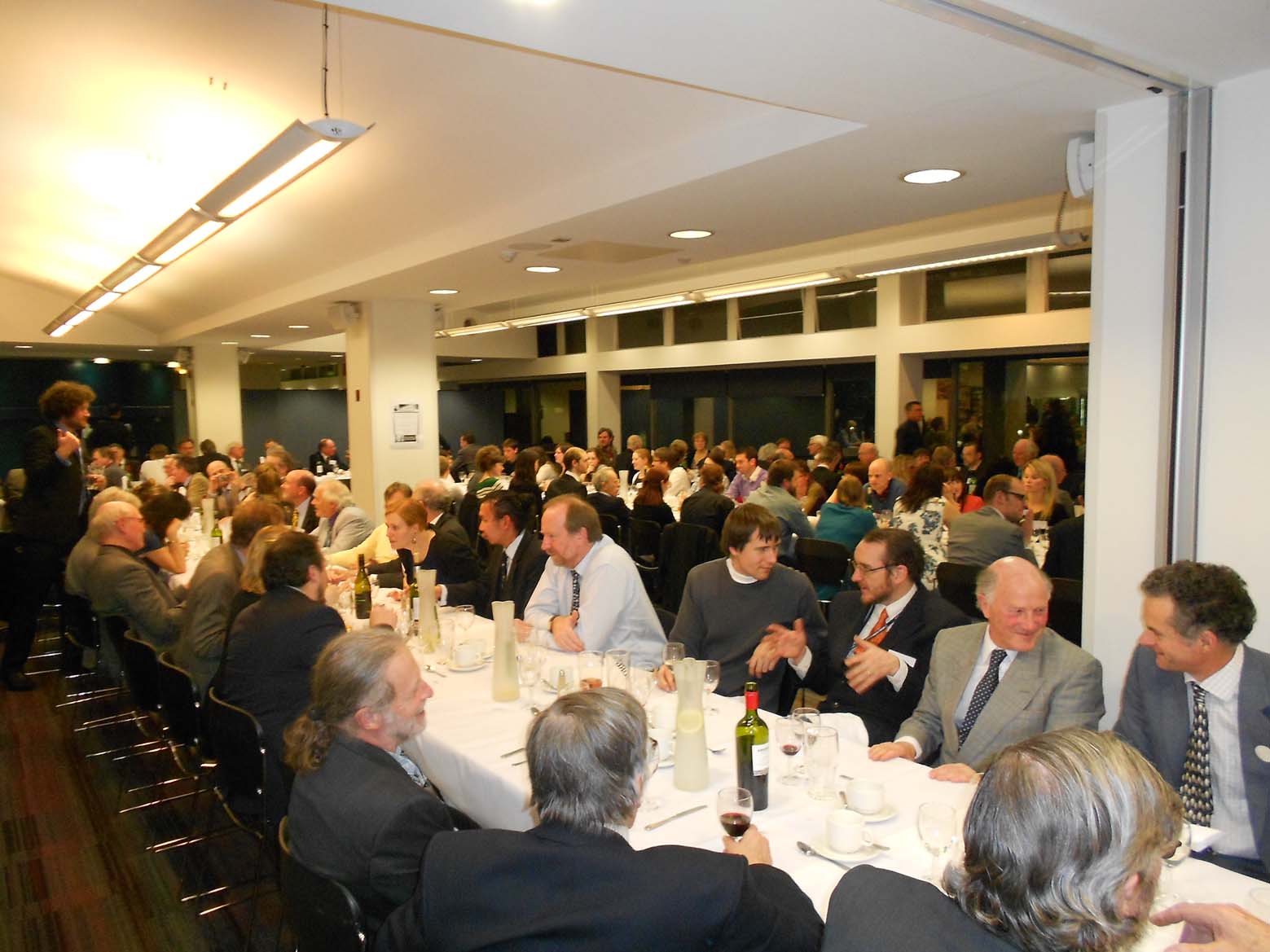
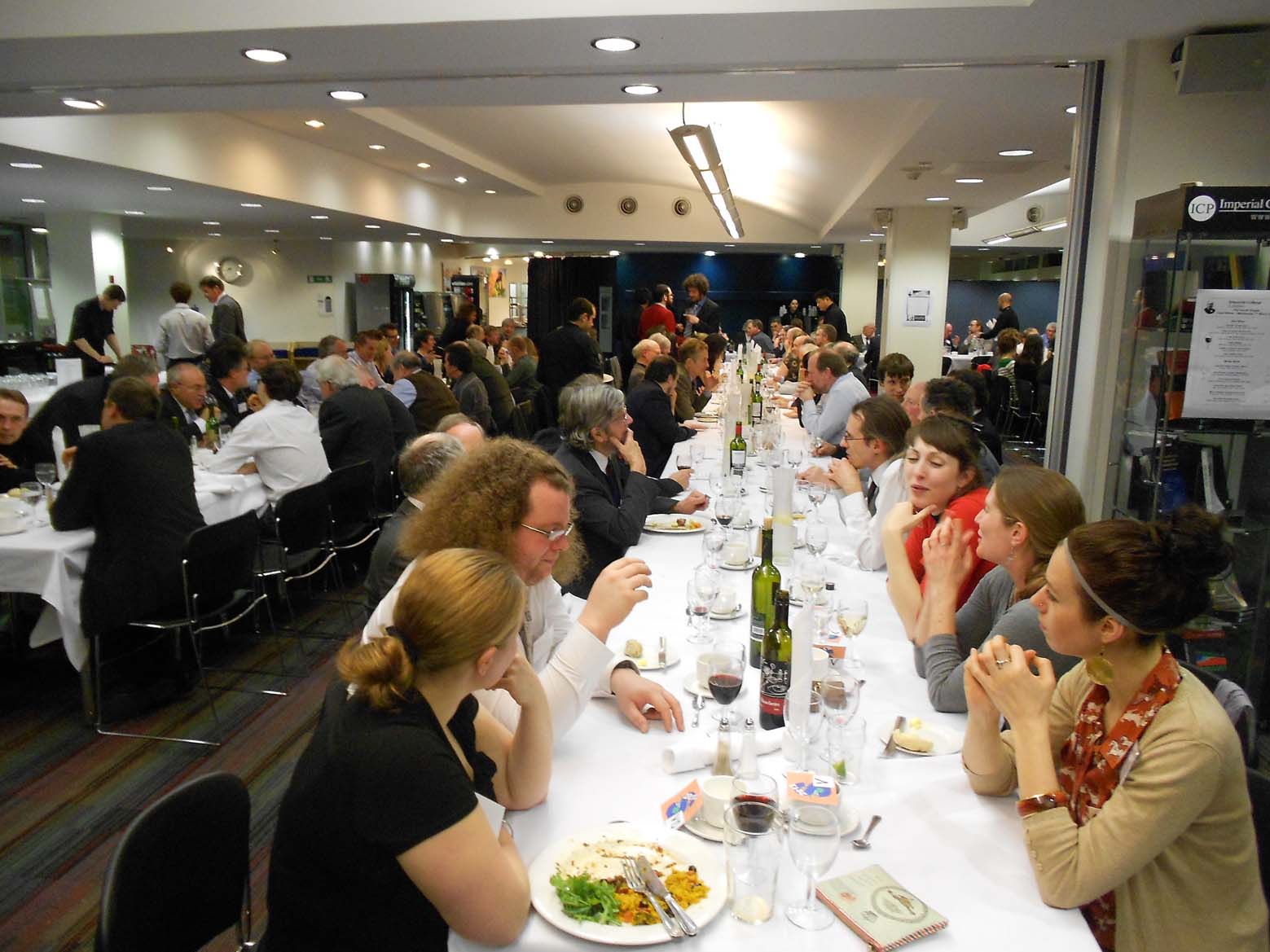
Entomologists, it seems, scrub-up good, and despite my incautious remarks about scruffy attire and a sometimes cavalier attitude to personal hygiene, here they all present in smart suits and frocks — women appear to have been admitted, maybe some time in the 1960s?

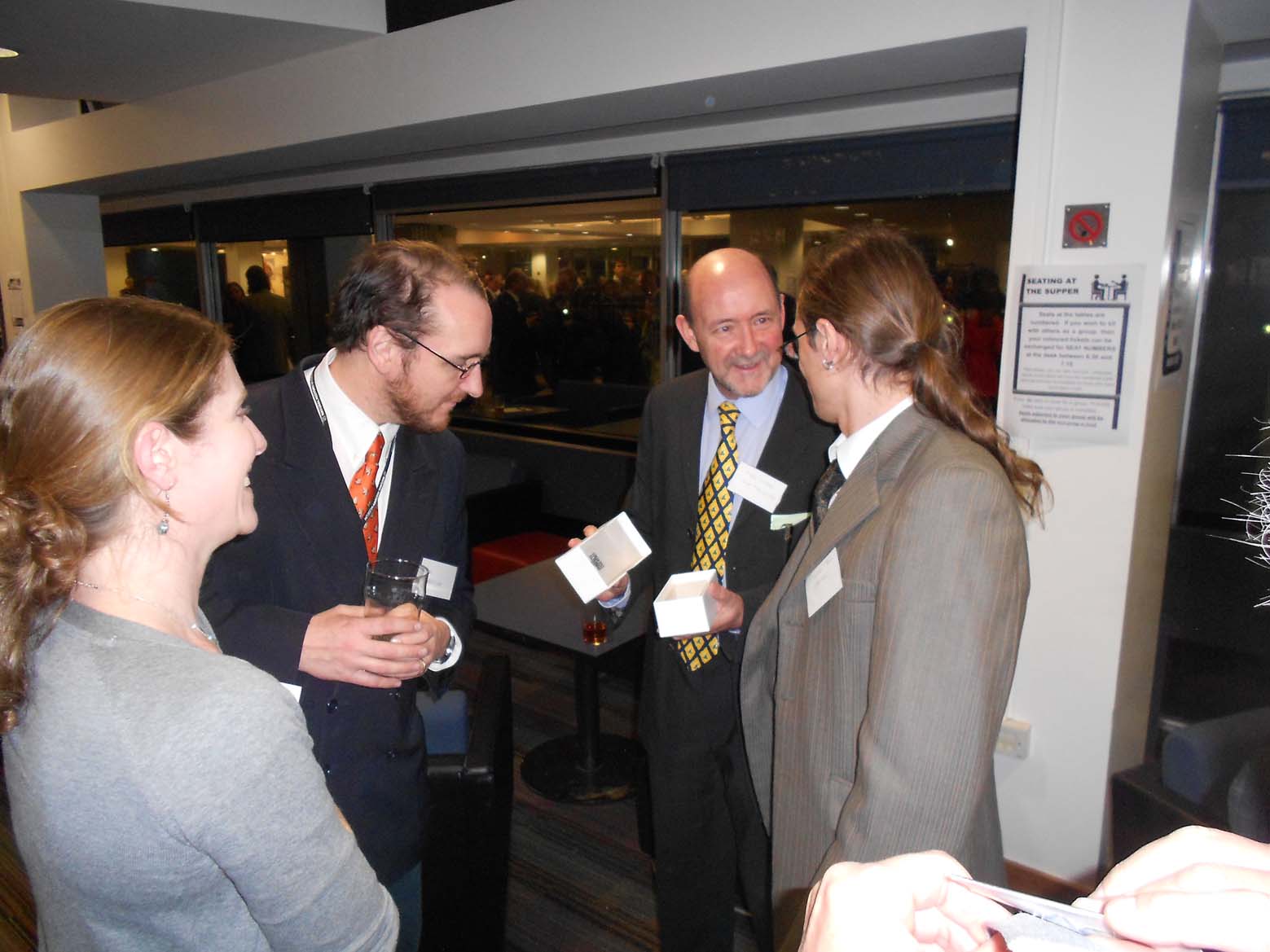
There is still some exchange of specimens in cardboard boxes and Latin is the lingua franca at all tables. Despite (or maybe because of) the flowing wine, much heady business is also conducted. I overheard earnest discussions of joint field meetings to obscure parts of the globe. Panama seems like a bit of a jolly: “We can pay expenses and sustenance, but not salaries; we get the majority of specimens but you take the cassidines and hispines — as long as we can agree some split of the types. Ten days should do it.”

Occasionally there is a brief pause while a huddled group try and remember some arcane snippet of entomological lore: “What’s the Onthophagus under dog dung at Camber Sands?” “Not sure about dog dung, there was a tissue beside the one I examined.” All this mixed in with the availability of funding sources, tales from the recent Prague insect fair, moans about data-input, and the evolution of lactose tolerance in human adults.

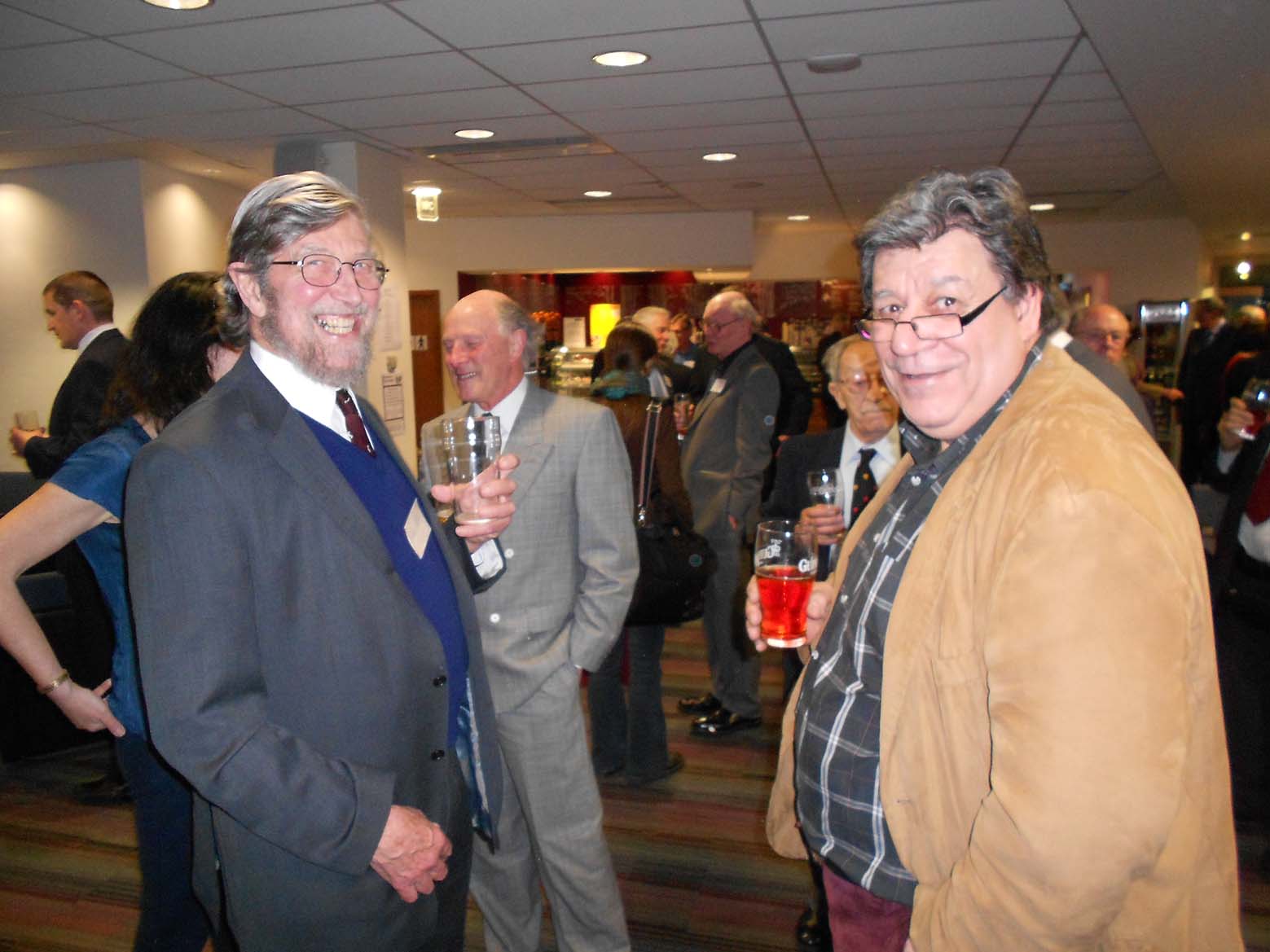
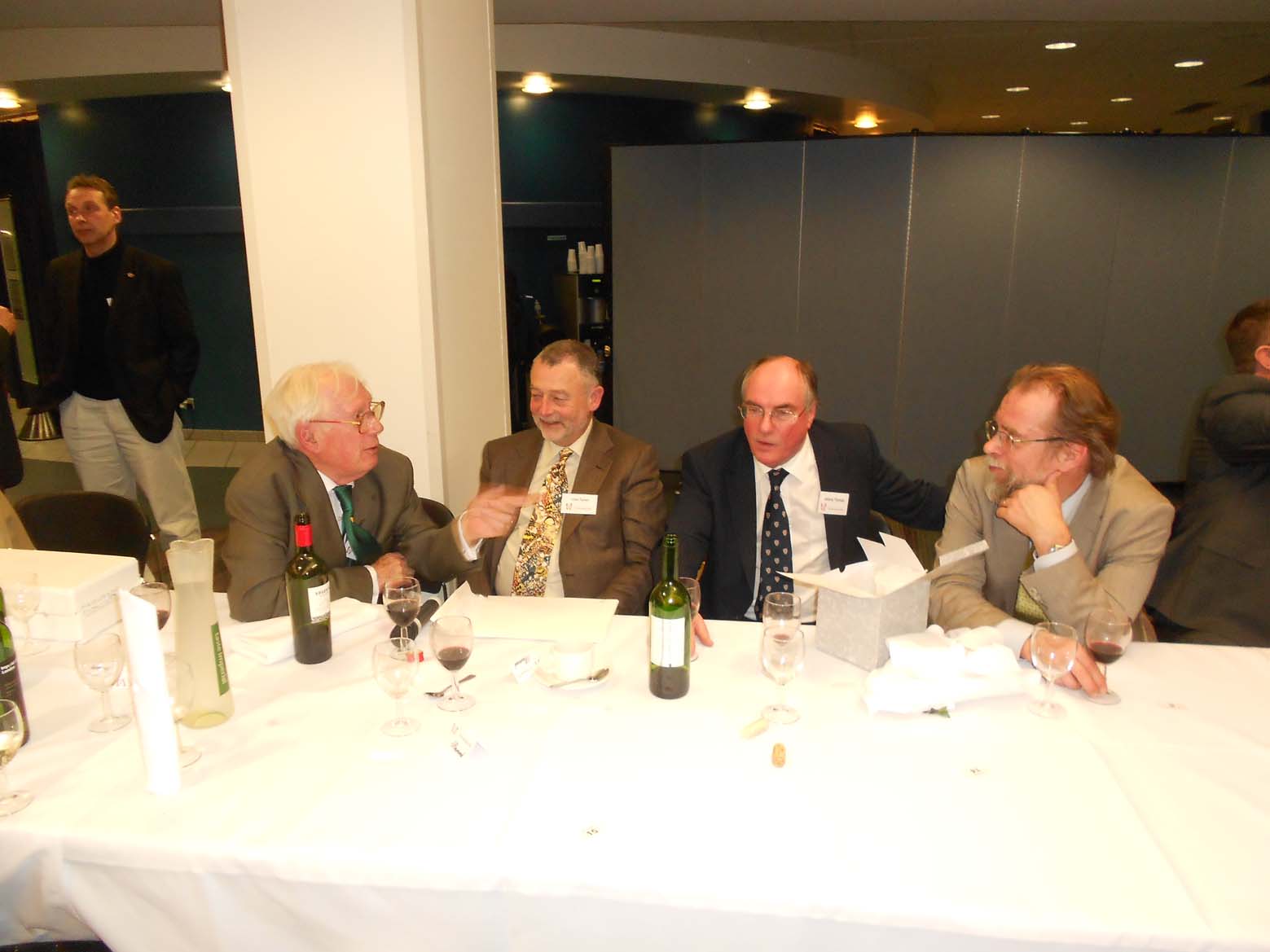
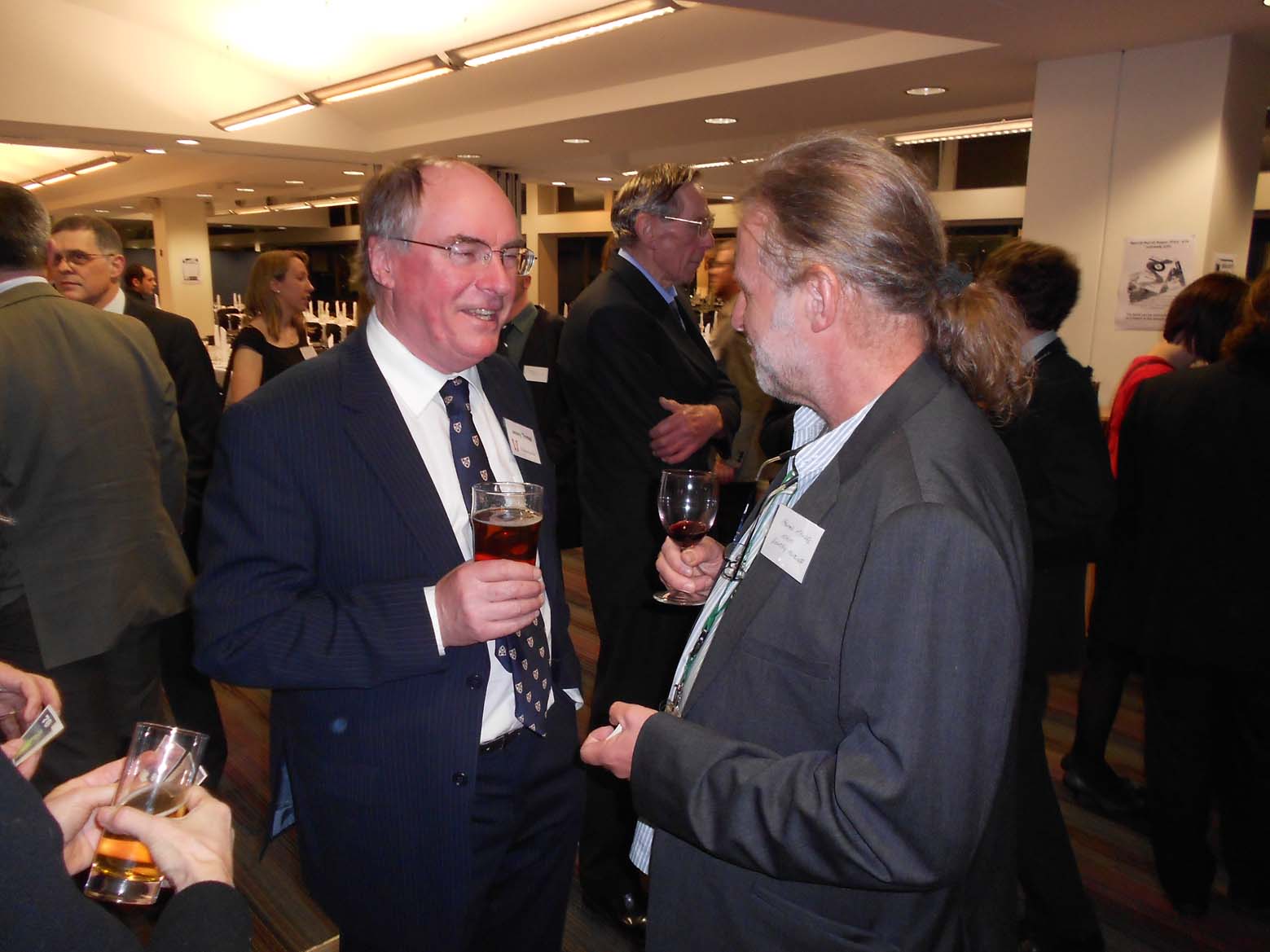
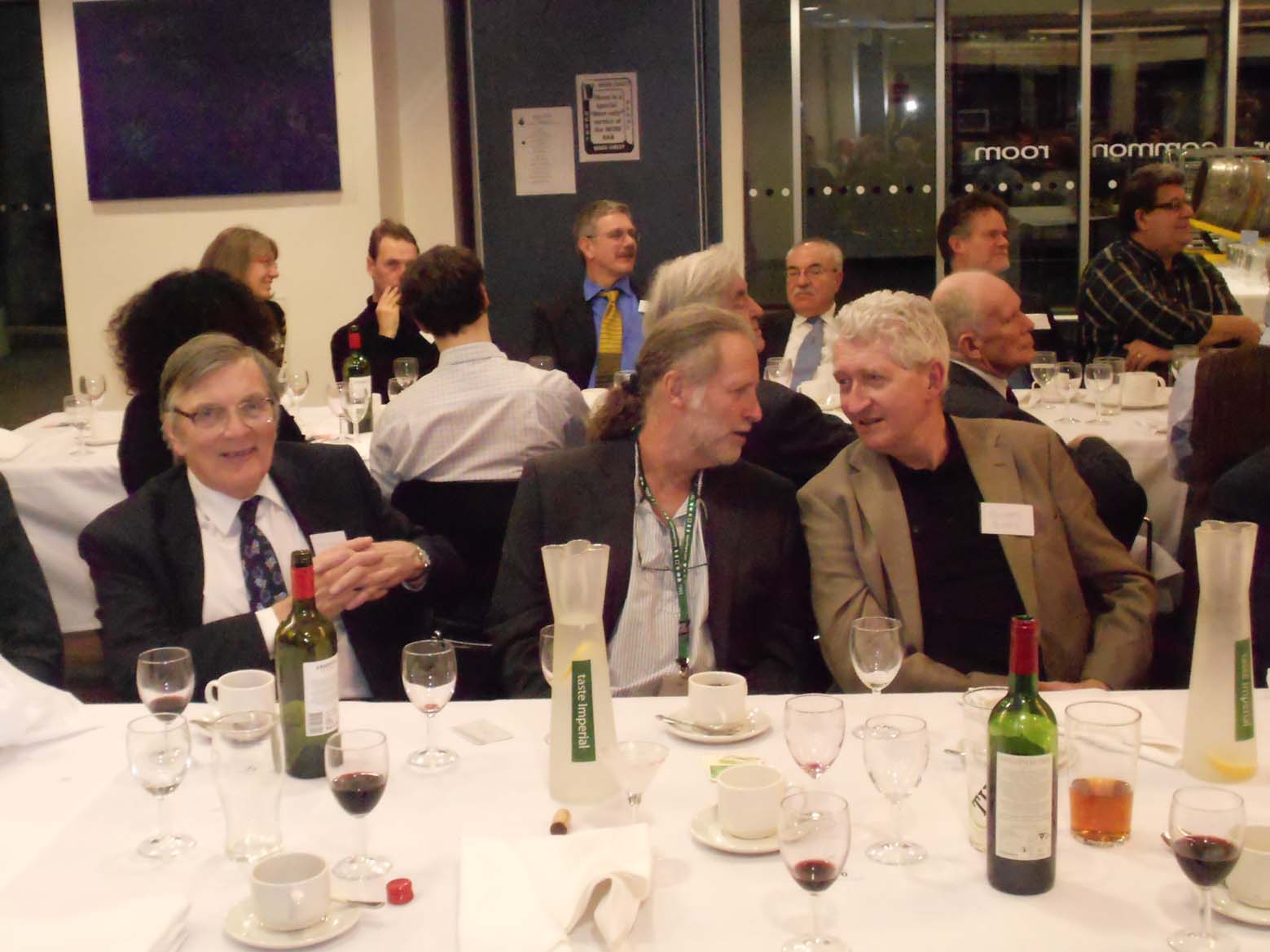
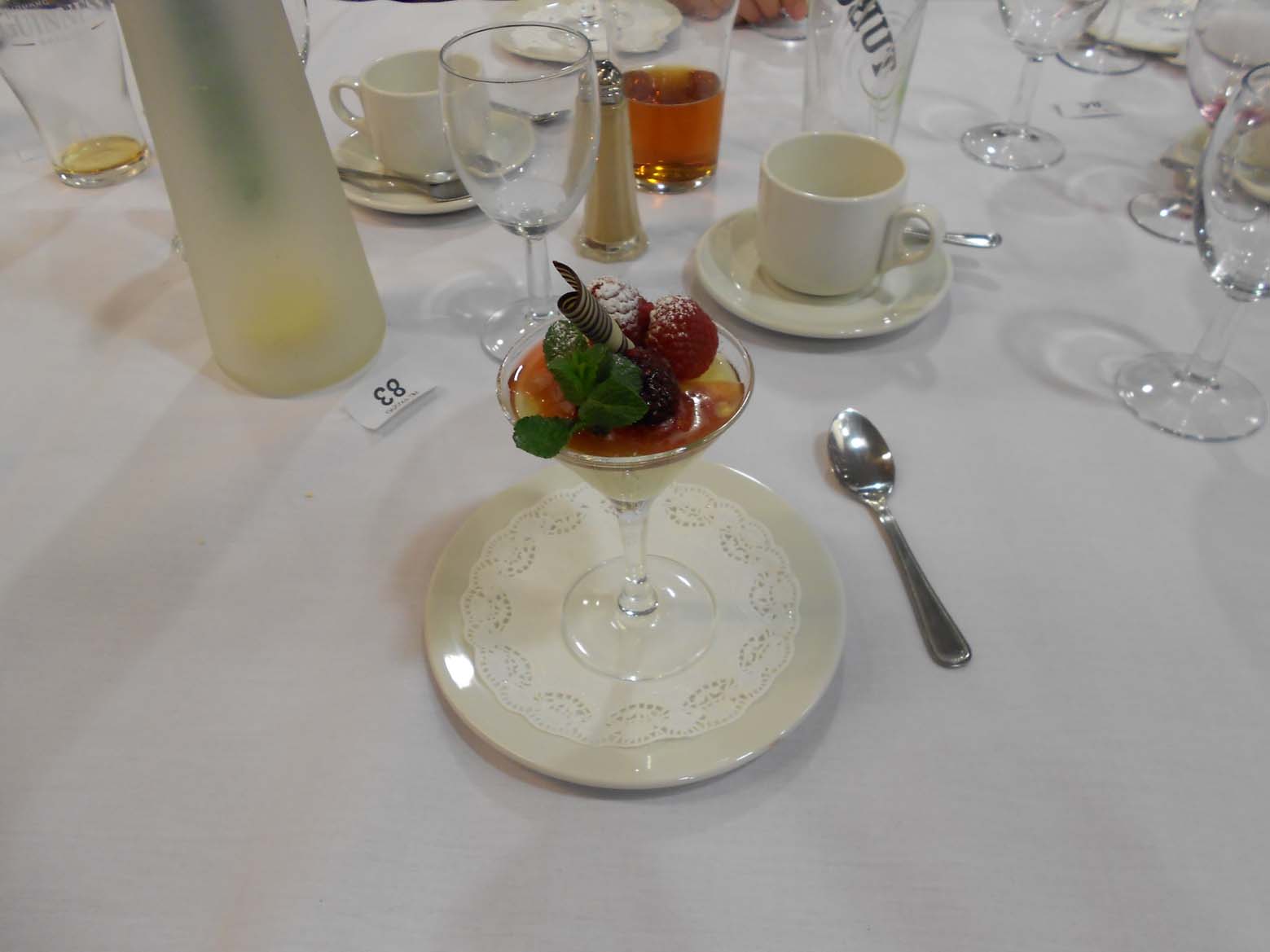
Here are a few pictures of the evening.