Real entomologists use aspirin bottles

I was recently reminded of the tale, told by Charles Darwin in later life, about his fervent beetle-collecting youth. Peeling off the loose bark of a dead tree, probably somewhere in Cambridgeshire, he saw two rare beetles and picked them up, one in each hand. On spotting yet another he was momentarily at a loss, but then decided to pop one of those he held into his mouth for safe-keeping, in order to free up his hand to catch the third. Of course it ejected some foul liquid and in the inevitable coughing, spluttering and choking fit that followed he lost all three.

Personally, I think Mr Darwin was being a bit sloppy. No real entomologist ever leaves home without at least some potential collecting containers about his or her person. A couple of glass tubes in a top pocket are the usual answer, but at a push, almost anything can be brought to use — empty humus pots, take-away containers, matchboxes, plastic milk bottles, urine sample kits. I once had to remove the ink cartridge from my fountain pen to drop in a small picture-wing fly — worked a treat.

So when, sitting in the Red Lion Pub in London’s Mayfair, some time back in the 1980s, it was no surprise when the person next to me took out a brown aspirin bottle from his pocket and offered me some of the contents. The American tourists sitting nearby were agog, and nudged each other surreptitiously until I explained that this was the perfectly normal behaviour of anyone who had just left a meeting of the British Entomological and Natural History Society. After leaving the lecture hall of the Alpine Club, in South Audley Street, where the meetings took place, a hard core would descend on the snug bar at the Red Lion in Waverton Street (it’s now boarded up, presumably about to be redeveloped). Here we would cogitate on the proceedings of the meeting, and continue earnest discussions about the correct way to find obscure leaf-mining moths, or ruminate on the last time anyone had seen a Clifden Nonpareil.
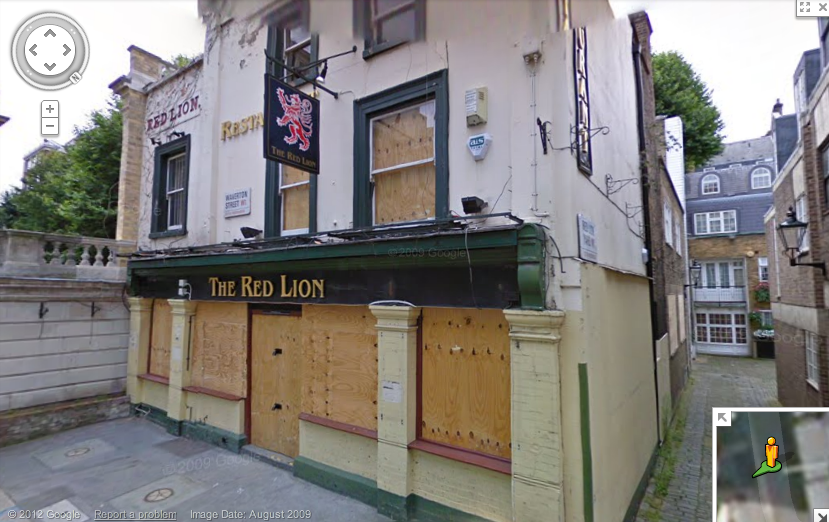
They must have closed it down because of the strange behaviour of some of the clientele.

Unscrewing the pill bottle, he gingerly tipped out a couple of beetles into the palm of my hand — Melasis buprestoides, a strange and handsome creature, I think I had only ever seen it once or twice before. Working for the National Trust biodiversity team, Andy Foster had plenty of opportunity to find such bark beetles, especially those, like Melasis, which are particularly at home in ancient woodland remnants. Would I like a specimen or two? Actually, they are much larger than the diminutive one I remembered finding in Sussex. Might be the other sex. Yes, I’ll take a couple for my reference collection. Now let’s see what I’ve got to put them in. A small glass tube tucked into the side pocket of my brief case. Perfect. If only Mr Darwin had been so prepared.
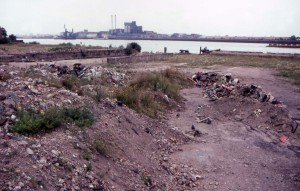
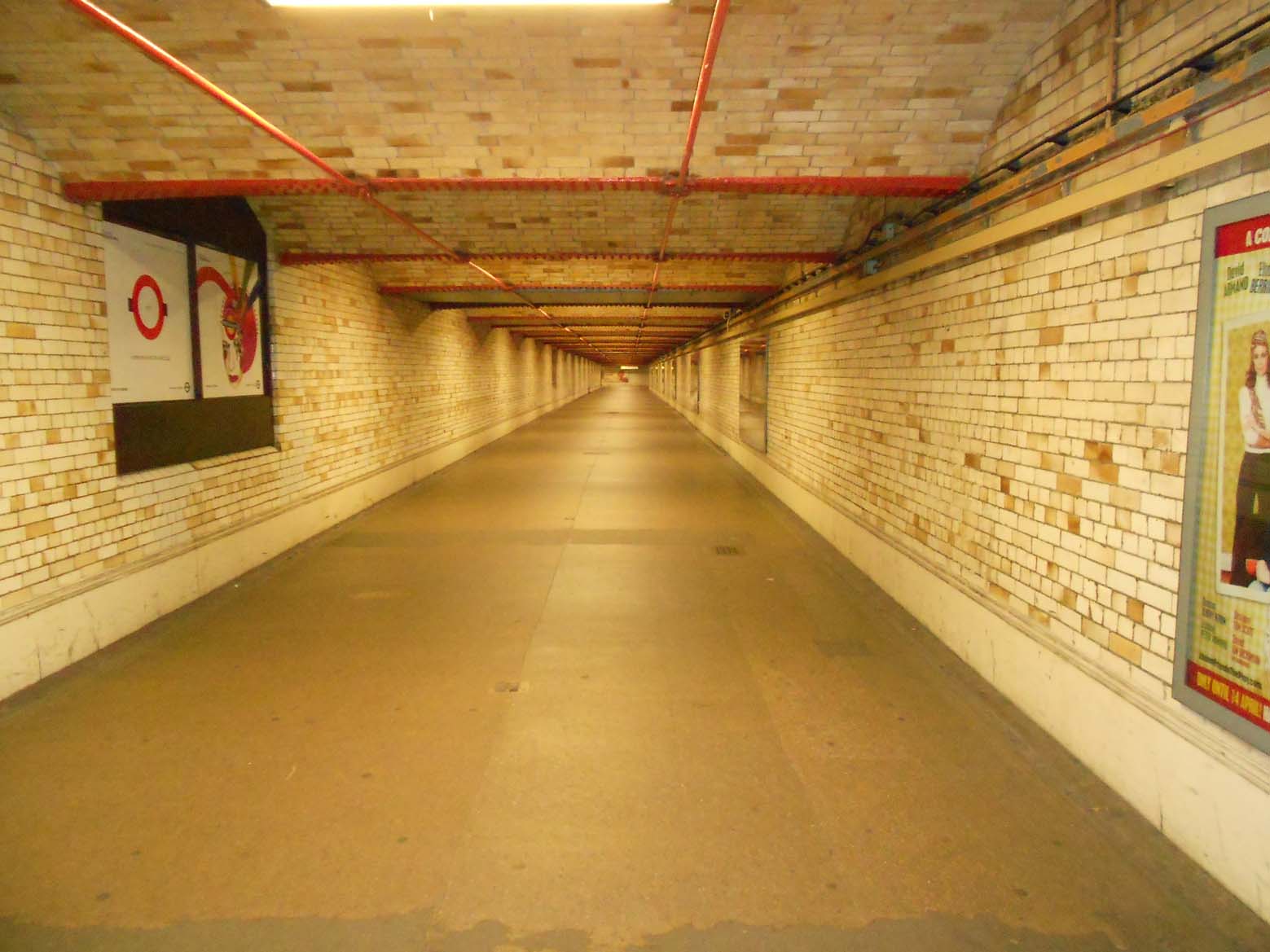
What a waste — what is the biodiversity value of urban brownfields?

Bulldozed piles of rubble, twisted metal and rubbish — ugly, dirty, smelly, dangerous. Brownfields have an real image problem. Click on picture for PDF of lecture text.

On Friday 9 March 2012, I gave a lecture, so titled, at Birkbeck College, University of London.

Derided as economically useless ‘wastelands’, brownfields are often portrayed as being little more than bulldozed heaps of rubble, twisted metal and rubbish — dirty, smelly, ugly, dangerous. Brownfields, truly, have an image problem.

It starts with the name. Brown is not a cool colour; it is the colour of dirt, the colour of excrement. More importantly, brownfields are seen as not green. And, conversely, green is the colour of the moment, the colour on everyone’s lips. Green is the colour of the countryside; it’s the colour of nature, the colour of goodness. More than this, green has been misappropriated by anyone wanting to link into these aspirational attributes; green has become a powerful brand. Leaving aside the Green Party, which has commandeered the word as part of its very name, even in general parlance the environmental movement is usually described as a green movement, companies are keen to show off their green credentials, we all aspire to green living. Green is so cool. I wouldn’t like to contemplate for a moment what might be the response if I said I was part of a brown movement.

Brownfields are, nevertheless, very important for wildlife; in particular they are important for invertebrates — insects especially. The trouble is that insects are imbued with their own image problem. When Ridley Scott needed a model for his blood-thirsty, parasitic, shiny, armored Alien, he leant heavily on the imagery of insects. If insects were the size of cats or dogs, they would be the most terrifyingly awful creatures on Earth. Unfortunately, even though insects are very small, many people think they are already quite awful enough thank you. Trying to show that brownfield sites are worthy of ecological study and even environmental conservation because of their invertebrate interest, is a doubly uphill struggle. But I will try.

Here is the text of the lecture.

Verrall Supper 2012

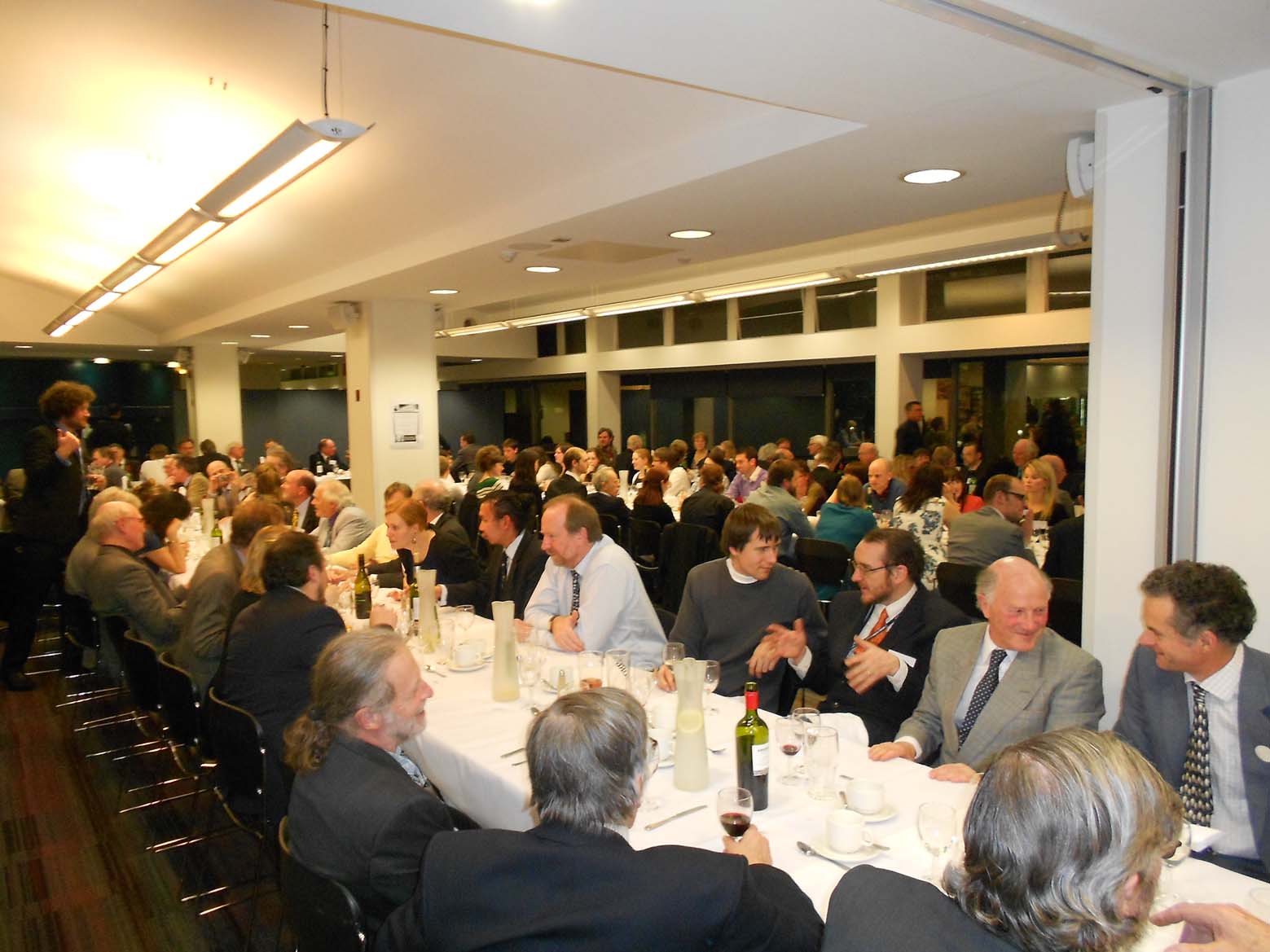
The Entomological Club, an exclusive 8-member cabal of entomologists formed in 1826, is the oldest extant entomological society in the world. Apart from informal meetings at member’s houses to exchange specimens and discuss the latest taxonomic turns of the day, an annual meeting, followed by dinner for members and guests, was instigated. When George Verrall joined The Club in 1887 he took the dining to new heights — mainly by paying for it himself.
When he died, in 1911, he left a small sum of money to keep the annual meeting alive, but the dinner had to become self-financing. In his honour, it has been the ‘Verrall Supper’ ever since.

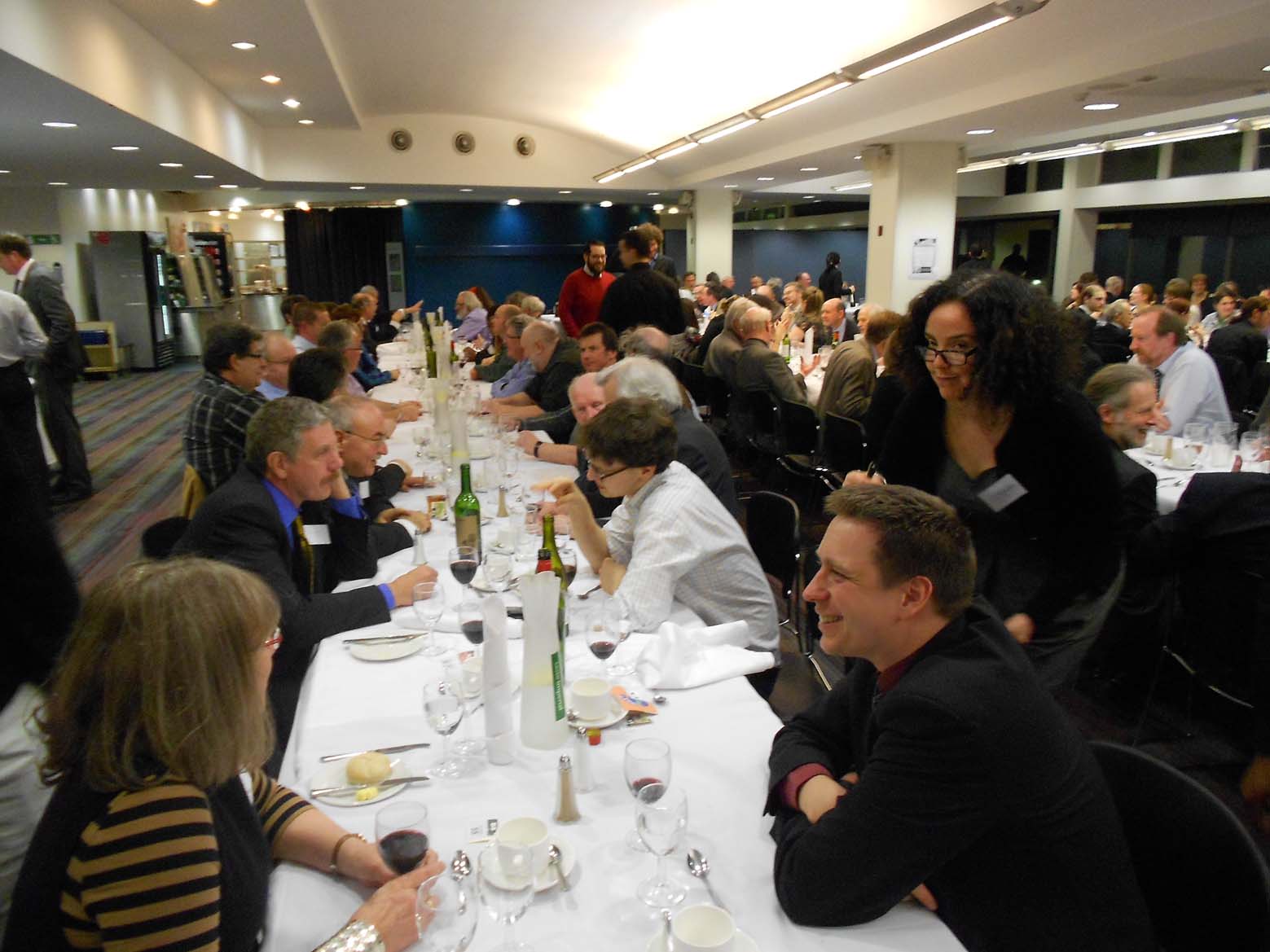
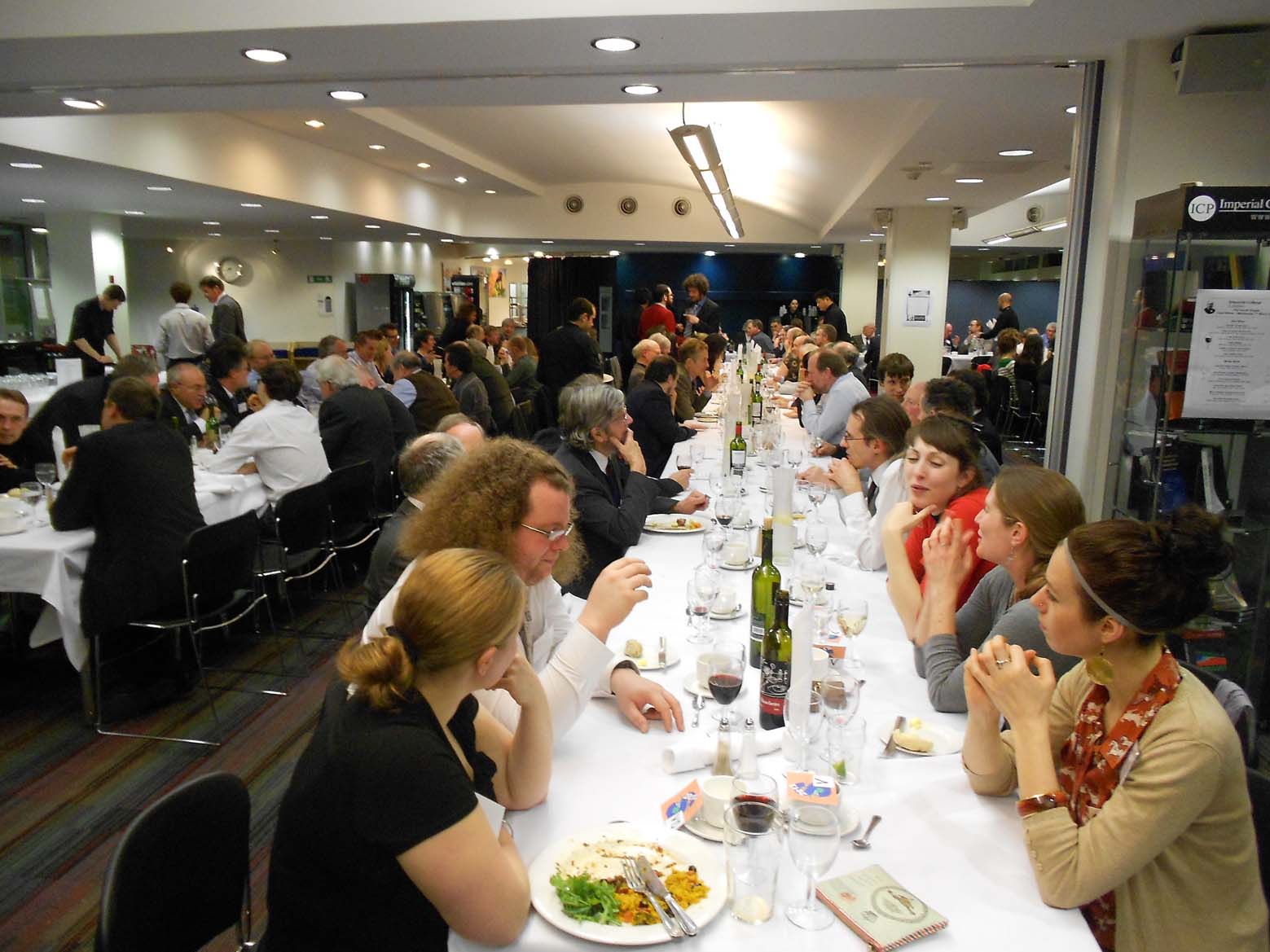
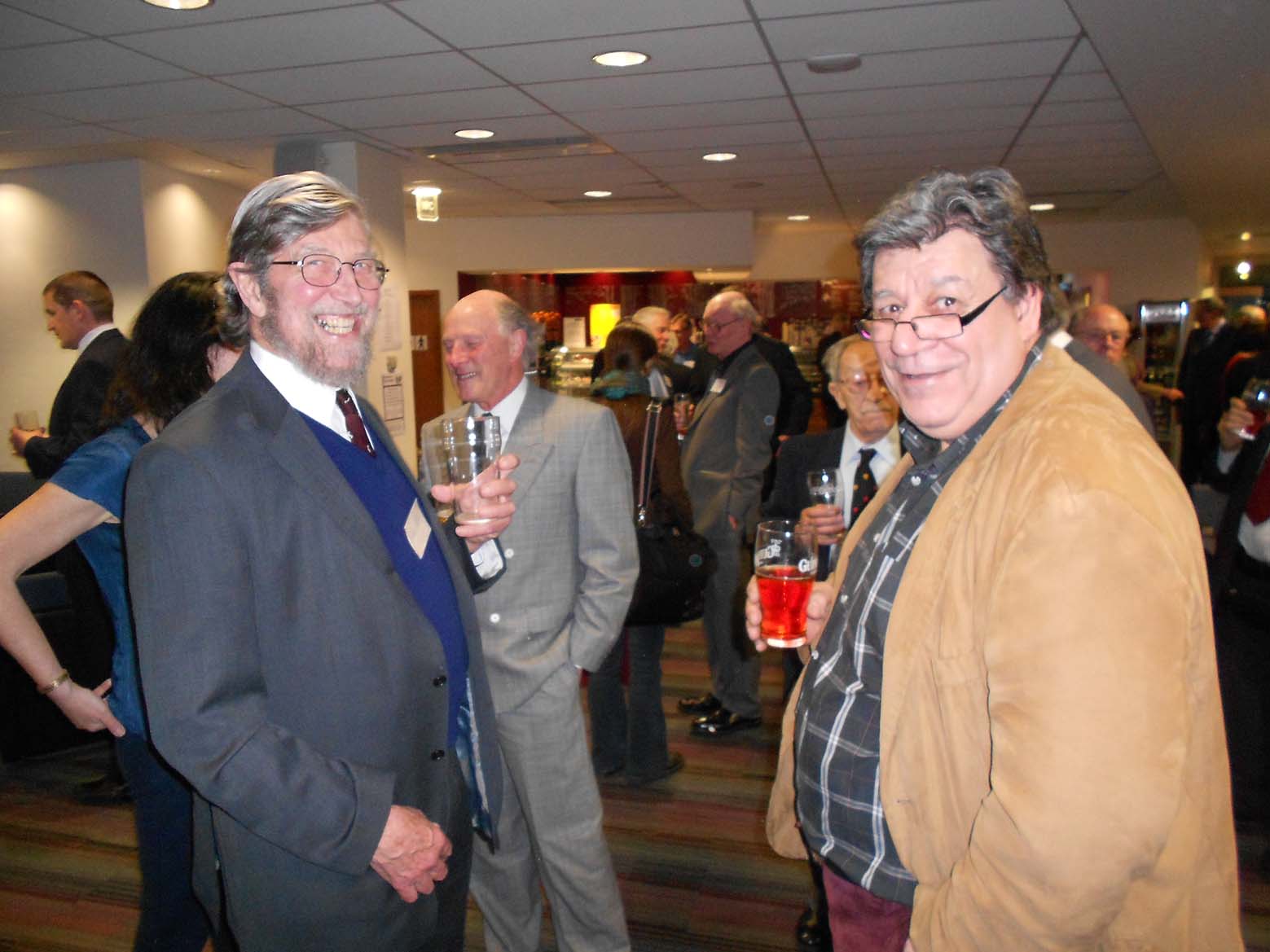
Entomologists, it seems, scrub-up good, and despite my incautious remarks about scruffy attire and a sometimes cavalier attitude to personal hygiene, here they all present in smart suits and frocks — women appear to have been admitted, maybe some time in the 1960s?

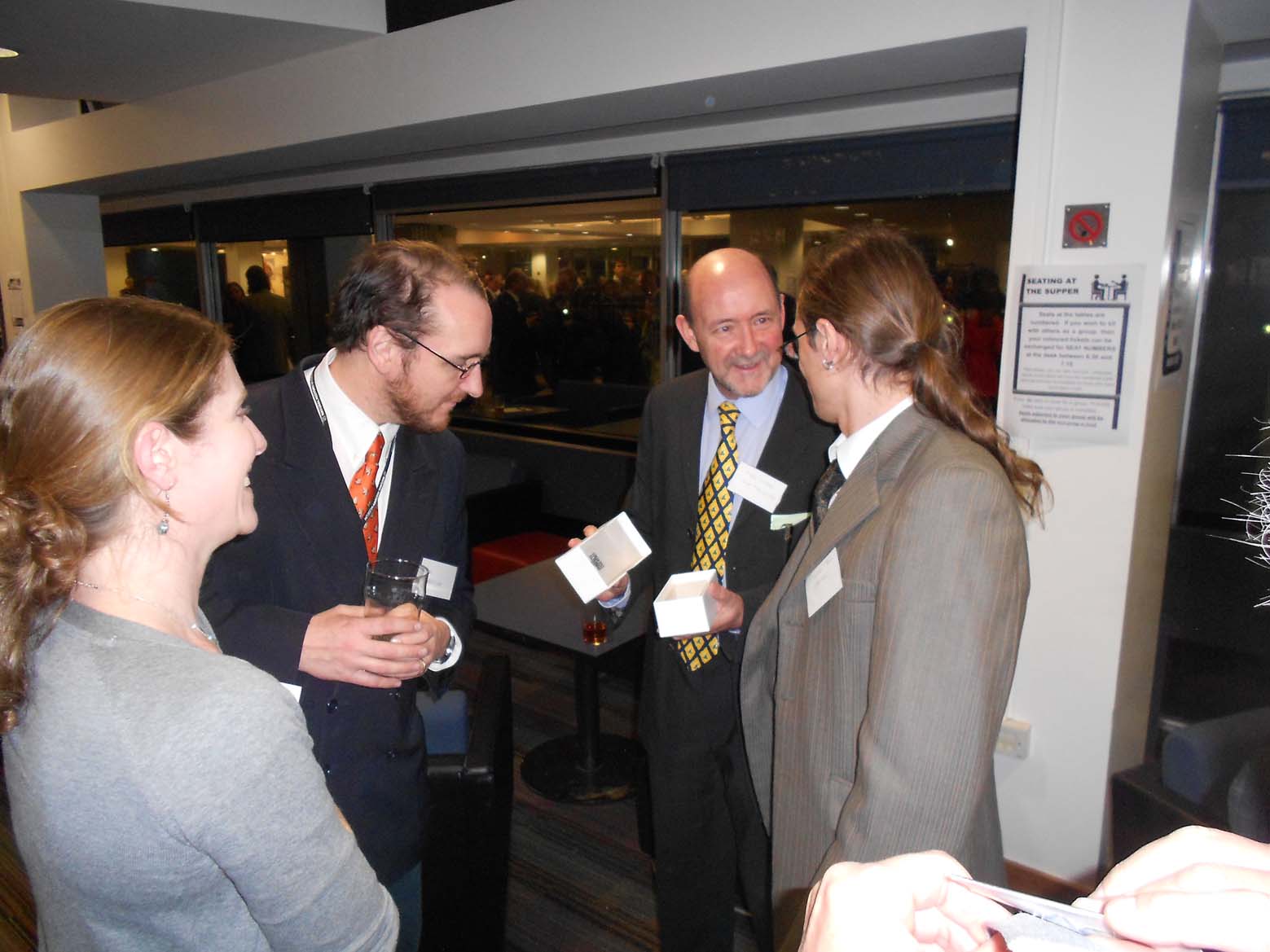
There is still some exchange of specimens in cardboard boxes and Latin is the lingua franca at all tables. Despite (or maybe because of) the flowing wine, much heady business is also conducted. I overheard earnest discussions of joint field meetings to obscure parts of the globe. Panama seems like a bit of a jolly: “We can pay expenses and sustenance, but not salaries; we get the majority of specimens but you take the cassidines and hispines — as long as we can agree some split of the types. Ten days should do it.”
Occasionally there is a brief pause while a huddled group try and remember some arcane snippet of entomological lore: “What’s the Onthophagus under dog dung at Camber Sands?” “Not sure about dog dung, there was a tissue beside the one I examined.” All this mixed in with the availability of funding sources, tales from the recent Prague insect fair, moans about data-input, and the evolution of lactose tolerance in human adults.

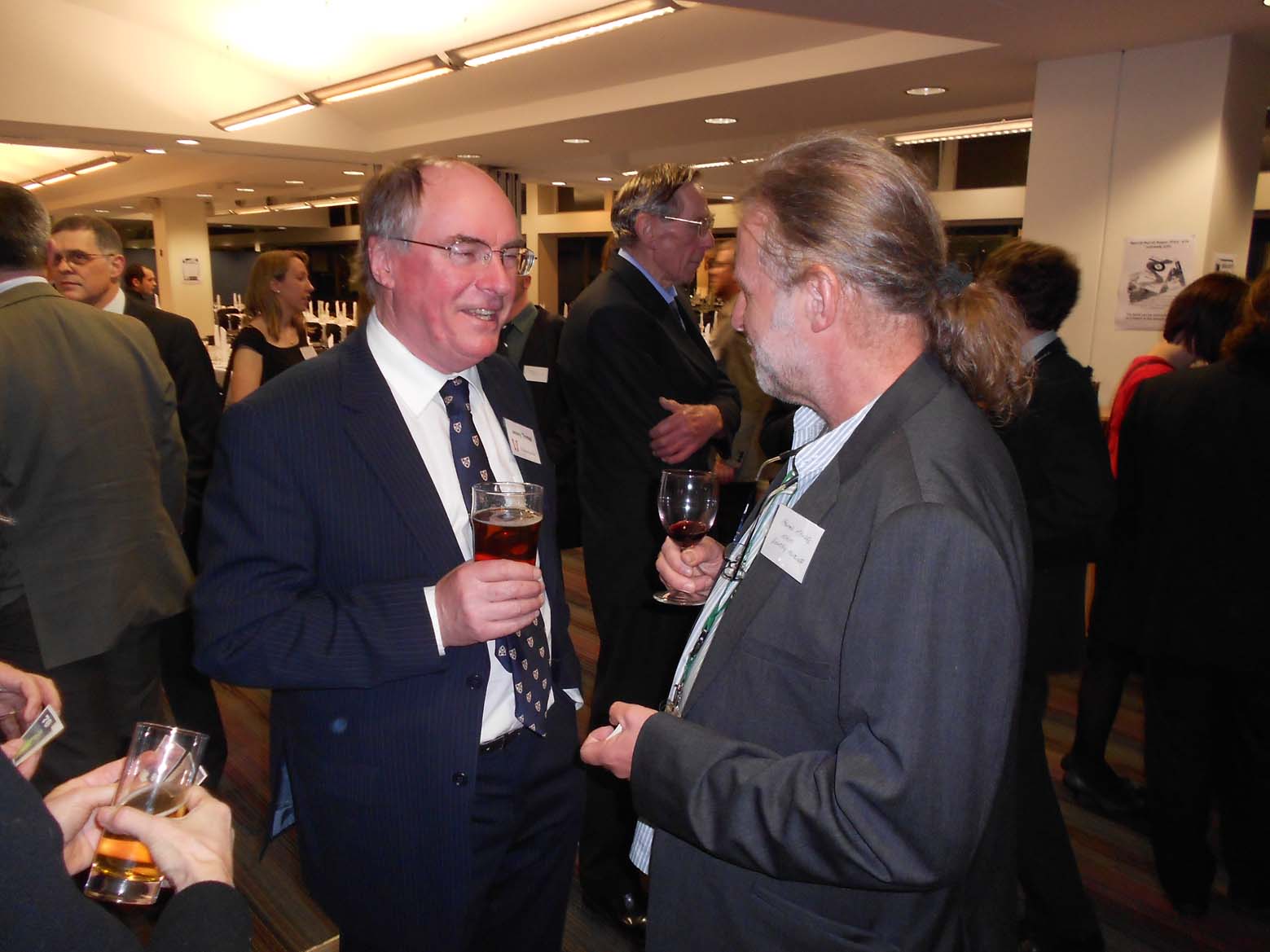
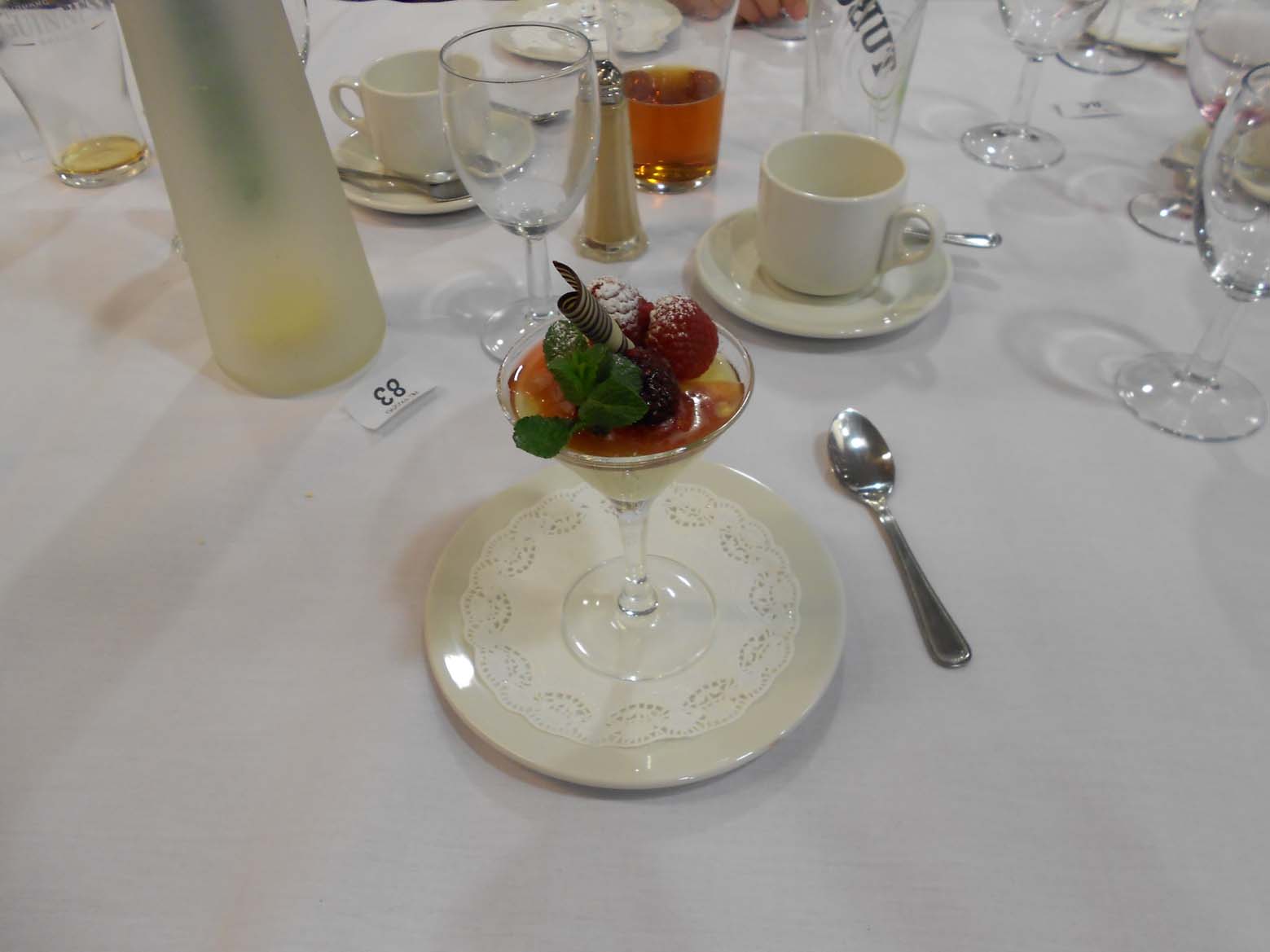
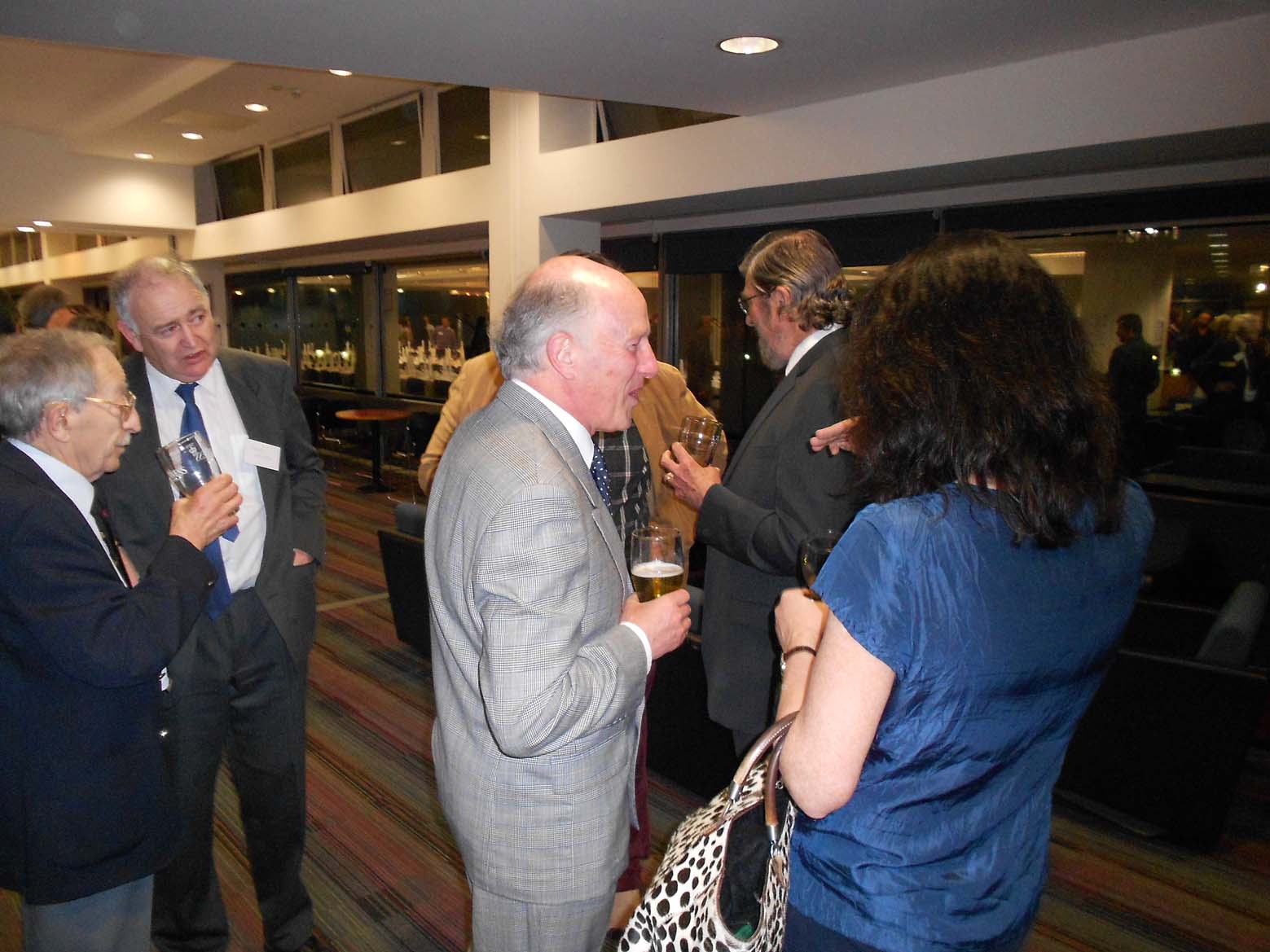
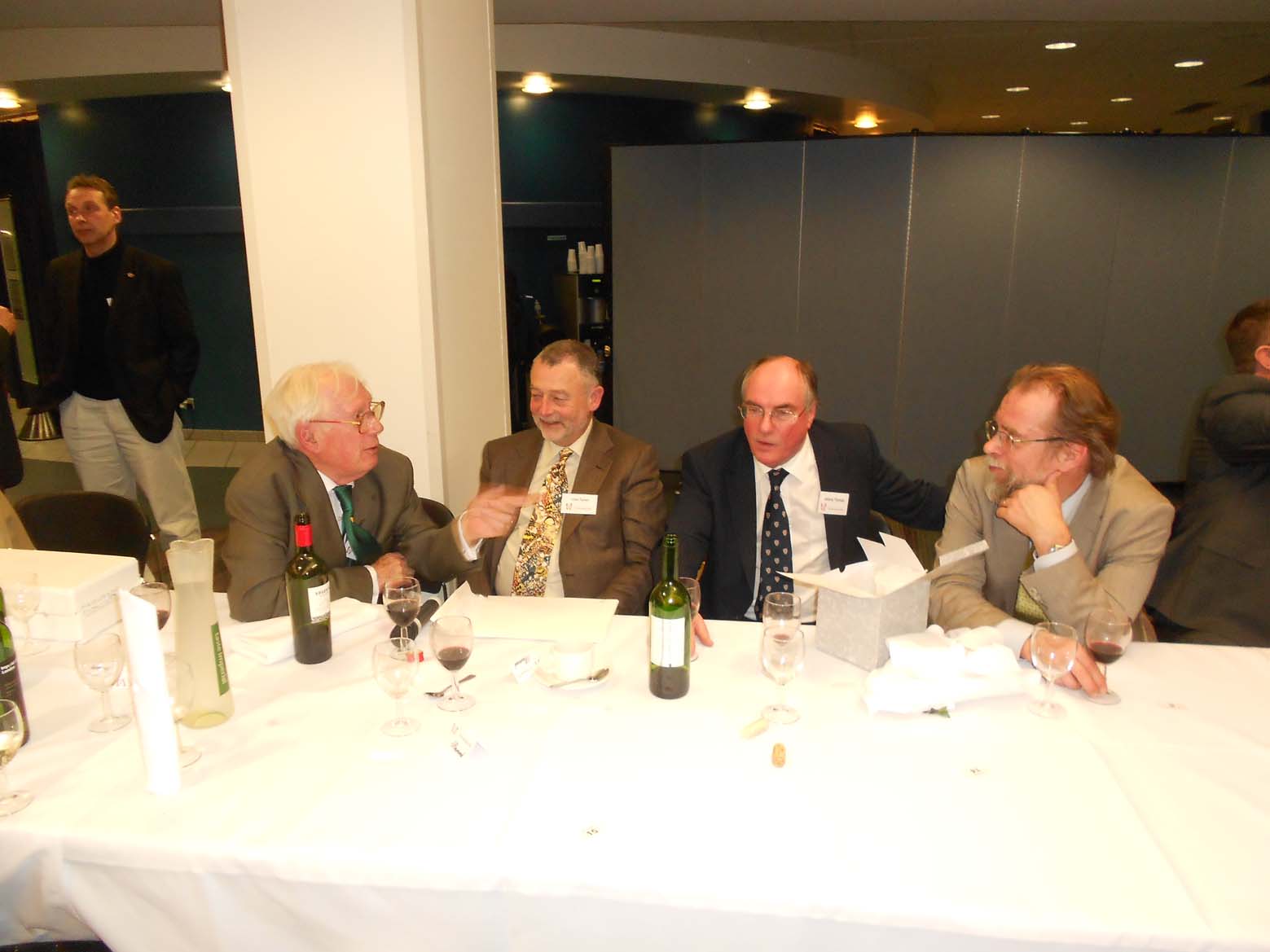
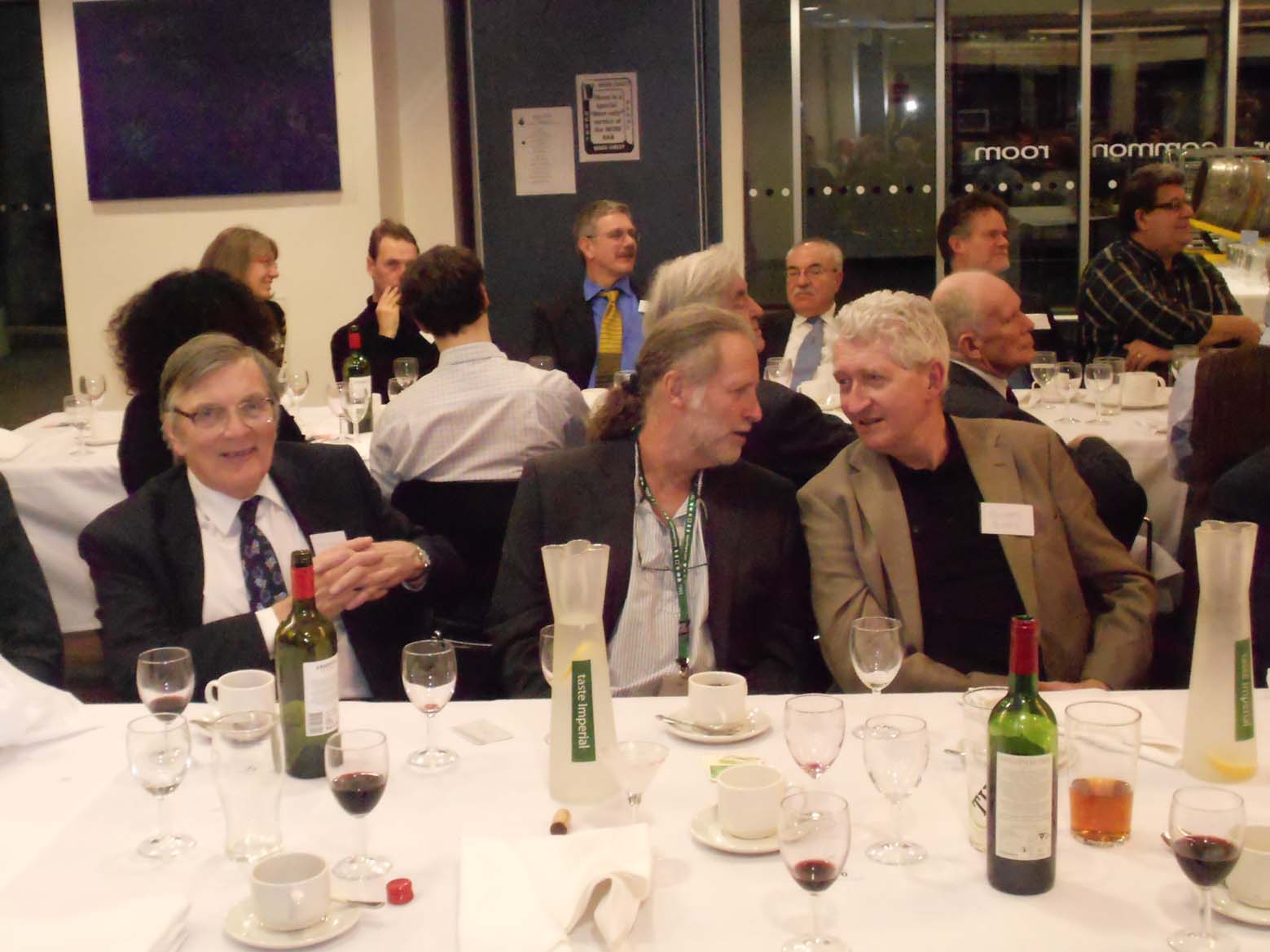
Here are a few pictures of the evening.

Me and my rocket-launcher

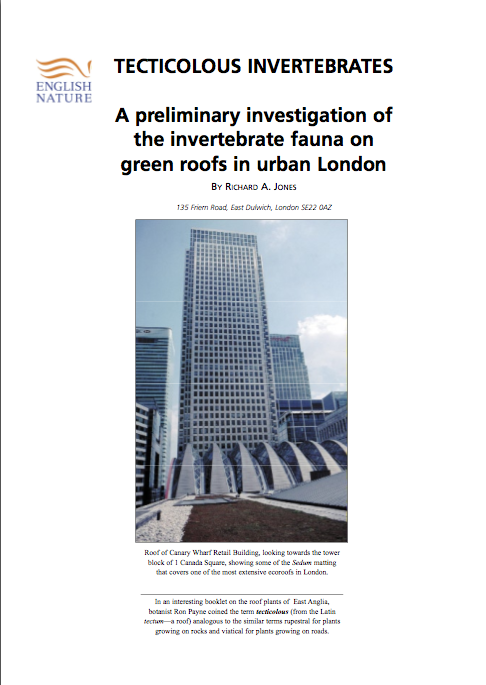
Ten years ago I was asked by English Nature to survey some of London’s newfangled ‘green’ roofs, to see whether they really were good for wildlife. I was really quite chuffed to be asked, it was a prestigious piece of work.

Egged on by the supporters of German and Swiss planning laws, having a living roof on top of new buildings was increasingly seen as a way of mitigating for any wildlife loss from the flowery, but often ugly, brownfield sites as they were developed. This was good for the developers, who could claim environmental credentials, good for the planners, who could claim environmental commitment, but was it good for the insects?

I took to the rooftops to find out. Most of the roofs were small, a couple of private houses, the visitor centre of the Mile End Cemetery Park, and a community centre on Gray’s Inn Road. But one series were huge — on several of the office blocks at Canary Wharf. These were also the most difficult to survey. Unlike some of the smaller buildings, which had soil/gravel mixtures and which produced a lush flowery growth to attack with a sweep-net, those at Canary Wharf were covered with a low carpet of drought-hardy Sedums, the stonecrops you might have found on slightly old-fashioned rock gardens.

Sedum at Canary Wharf, a red/green carpet for the delight of office workers looking down from above.

Carpet is the right word. Huge mats of spongy rubber, a bit like those used in the gym, were impregnated with Sedum seeds, then grown out of doors. When required, they were rolled up, delivered on site in giant rolls and cut to fit just like someone carpeting the lounge.

From the offices above, they presented a red/green pattern against the concrete, steel and glass. But they were only a few centimetres thick. My sweep-net was set aside, what I needed here was something a bit more high-tech. The B&Q on the Greenwich Peninsula provided the answer — a two-stroke garden blower-vac.

Fixing a stout canvas bag into the intake nozzle, I could use it like a giant hoover, sucking up any bugs from the short sward, then turning it off and emptying the bag contents onto a plastic sheet. It worked well, and I found plenty of odd and unusual things. My draft report is here.

There was, however, always something on my mind. Here was I, in a major financial district of the capital, in the shadow of some of Britain’s tallest buildings, a few months after the World Trade Center attacks, carrying something that looked like a rocket launcher.

Hoovering the roof.

I don’t know how many people noticed me out of the windows of 1 Canada Square, but I’m extremely thankful I was never confronted by the anti-terrorist squad.

Mummy — is that a tramp?

Naturalists can be a downright scruffy lot. My father tells a tale of when he was out scrambling across the Sussex countryside many years ago, and exited his most recent trespass through a deep hedge and onto the public footpath right in front of a woman, and her young daughter, out taking a dog for the walk. He would have carried a tatty faded rucksack, a battered metal vasculum (plant collecting box) and dirty field notebook; ball-point pen and hand lens would both be attached by tired pieces of string to his lapel buttonhole. Mud-splattered, torn and scratched he no doubt presented a rather startling sight.

Despite his best smile and cheeriest ‘Good afternoon’, the little girl was not taken in for a moment and muttered an urgent stage whisper to her mother: “Mummy — is that a tramp?”

I have never let him live this down. And I rail at other unkempt naturalists to do better with their personal appearance.

There is, how shall I put this, a post-hippy tradition (?) amongst naturalists to look roughly casual in the field. Part of this is the knowledge that there is no point getting your best clothes covered in grime and grit and grass stains, scrabbling about on all-fours around an unusual clump of sedge trying to get the best angle to photograph it, or dissecting a nicely fermented cow pat after dung beetles. But shabby chic has moved on from the days when the Edwardian farm worker was wearing his old third-best worsted suit to cover a stained shirt and holed weskit. Jeans torn at the knees and a shapeless sweatshirt emblazoned with Mick Jagger’s lips and the tour dates of the Stones’ 1975 UK tour do not do it.

The bearded eco-warrior student look may work in the volunteer hedge-laying or dry-stone-walling party, but it does nothing to promote the inquisitive natural scientist to genteel members of the public out for a quiet family stroll.

There was a time when openly carrying an insect net often meant disapproving looks from ramblers or bird-watchers, who equated such hunting paraphernalia with fervent butterfly collectors and ivory poachers. A disheveled appearance could only add to the general air of mistrust.

I have only one rule of entomological couture — power dress. In the days of skulking through the Weald’s hidden woodlands or tramping brazenly across the heathered mounds of the Quantocks, a tweed suit, white shirt and neat tie was just the business. In it I would speak to the landowner as an equal, or overawe the gamekeeper. I was approachable to all, curious to know what I was up to, but no longer threatening, or suspicious.

I now have a new form of power-dressing; one suited to bluffing my way past the security guards of disused chalk pits and gravel quarries, or through the formalities of the construction sites and disused wharfs of the Thames Gateway. Safety boots, a shiny white hard-hat, and a bright yellow high-visibility jacket prominently labelled ‘Environment Survey’ will open many a padlocked chain-link gate.

I didn’t need this corporate safety-wear on Tuesday though. After dropping 14-year-old in Brighton for some art-interview coaching from her aunt, I met my Dad for a short hike through the fields and woods around Plumpton, just the other side of the Downs. The usual waxed jacket and pseudo-pashmina for me (very ‘country’). My father’s improved with age. He looked quite civilized in check jacket, pale raincoat and striped dapper tie.

Jones Senior, and Jones Very Senior Indeed.

I think he’s done rather well.

Entomologists love all insects, except this one

No matter how small and mean is an insect, there’s an entomologist, somewhere, who thinks it wonderful. Lots of people love butterflies, and moths, and bees, and dragonflies. Dung beetles are among my own favourites. Elsewhere there are fans of stick insects, earwigs, fleas and hissing cockroaches. Even ants, apparently, have their followers.

But, to a man (or woman), there is one insect universally loathed by entomologists of all walks of life. This one.

Cute, but despised, Anthrenus verbasci is the bane of entomology.

The museum beetle, Anthrenus verbasci, is a small (2.0-2.5 mm) globular little beast, very pretty under the microscope because of its mottled variegated scales. But it is the scourge of entomologists the world over. As its name suggests, it haunts museums — in particular the cases of stuffed birds and animals, stores of dried animal skins and drawers of pinned insects.

It is one of several similar species, including the more appropriately named Anthrenus museorum, that can wreak havoc among the museums’ treasured collections, unless each and every item is examined on a rolling check every year or so. Large items, like stuffed birds and animals are often on display and chewings are immediately noticed. But trays and trays of pinned and carded insect specimens locked away in dusty mahogany cabinets in the store rooms can go for decades unexamined; it is not until some visiting expert tries to check out the particular family or genus they’ve been working on, that the Anthrenus infestation is revealed. All that now remains are rows and rows of neatly arrayed pins and piles of dust. No, entomologists do not like Anthrenus.

It is the tiny bristly larvae that do the damage, chewing their way through the insect specmens, often from the inside out. With generation times of only a few days or weeks, it is not long before there is an army of Anthrenus larvae. Oh, entomologists grit their teeth and curse softly under their breath at the thought.

It might seem odd, at first, that Anthrenus should have found this strange little ecological niche in which to have evolved their annoying and destructive lives. And they rather beg the question, where did museum beetles live before there were museums?

Museum beetles do not just live in museums, they also live in homes, where they go by another name — carpet beetles. Here, the same fuzzy larvae, sometimes endearingly called woolly bears, chew away at the Axminster or the Wilton. Not that this gets us much further; OK so where did they live before humans had carpets? Where did they live in the many rug-free millennia before the intricacies of the Persian or the Turkish knot, before the loom, before even the first sabre-toothed tiger skin was cast down onto the cold rough cave floor by Mr and Mrs Neanderthal?

It seems they probably lived in bird and small mammal nests. Despite the fact that museum (or carpet) beetles now frequent our very modern homes and learned institutions, their metabolism is still governed by their digestion of the moulted feathers and fur they first tasted way back in evolutionary history. In the home they find ready nutrition in the wool of our carpets. They will also eat silk (another animal fibre), feathers (whether boas or stuffed birds), furs (stoles, coats and more stuffed displays). And they will attack the chitin shells of museum insect specimens.

The occasional Anthrenus is also sometimes fished out of empty bee and wasp nests. These are often made in the same places as bird and animal nests, either in hollow trees, loft spaces or hedge bottoms. Here they appear to be devouring the remains of dead insects littering the lower regions of the combs. There is very little evolutionary leap from dead bees and the remains of the wasps’ prey, to the insect specimens hoarded away in the local museum.

I don’t like Anthrenus. They have devoured plenty of specimens in my relatively small insect collection including, recently, a large number of parasitic flies (family Tachinidae) stored in a rather old and obviously not Anthrenus-proof store box.

But I do have a soft spot for one of its close relatives — Ctesias serra. The adult beetles are slightly larger, flatter and shinier then Anthrenus, and the bristly larvae are lovely.

The animated boot brush that is the larva of Ctesias serra.

Ctesias follows a quiet and secretive life on old trees where it ekes out a living eating dead insects. These it pinches from the snarled and matted webs of the the several types of spiders that live underneath the loose and peeling bark, or inside hollow trunks. It tiptoes about in the dark nibbling at the dry husks, but is itself immune to spider attack. If a spider comes near, Ctesias starts wiggling its tail, at high speed. This sets up jamming signals across the silk threads of the webs. The spiders are unable to work out where the vibrations are coming from, so cannot calculate a pounce. A spider would only get a mouthful of broken bristles if it tried.

Ctesias is a relatively uncommon species, but occurs on a wide variety of trees, including some of the large street trees here in East Dulwich. Unlike Anthrenus, it does not find abundant food in bird or small mammal nests, nor has it invaded bee or wasp colonies. It has certainly not come indoors to munch the carpet or the soft furnishings. And it has never been found in insect collections. I like Ctesias. I like it a lot.

We’re all going on a quetzal hunt

There was a time when holidays could be intrepid, adventurous — dangerous even — and not tied down to the stranglehold of school holidays. So October 1992 saw us in Guatemala, with expectations of Mayan temples and lush rainforests alive with howler monkeys, agoutis, toucans and iguanas.

After three days of oppressive dusty heat in Guatemala City, vainly awaiting our lost luggage to return from Mexico, or California, or wherever it had gone, it was a relief to be on our way to the stylish cool of Posada Montana del Quetzal, the Inn on Quetzal Mountain.

The Inn, a weekend destination of the City’s executives and civil servants, offers quiet civilized chalets and fine views over the valley. The quetzal, a resplendent metallic green and red bird, almost painfully beautiful and mythically rare, is the national emblem of Guatemala, and also the name of its unit of currency.

The four-kilometre hike from our chalet to the quetzel biotope reserve would be our first taste of the rugged terrain for which the country is well known. The mountain highway was narrow, but tarmacked, and it was almost deserted of traffic. It would be a pleasant stroll.

As the steep road wound up the heavily wooded hillside, it passed terraced subsistence farmlands and we caught sight of the occasional plume of smoke from bonfires in the ragged fields. We were expectant — any minute we might catch a glimpse of the fabled bird through the ferns and epiphytes. Occasionally a rattling pick-up truck belching diesel fumes would pass us, usually heavily laden with passengers, at least one of which would be holding a large rifle. When each had gone, the quetzal-free silence on the hills seemed even deeper than before.

As we got closer to the reserve, the cloud came down thick and damp. And the traffic started to pick up. In quick succession, several small minivans went past. Each was topped with large megaphones blaring out bird-scaring music, and the sides were plastered with ads for the local beverage — Gallo (cockerel) Beer. Were they advertising to the sparsely scattered farmers in the fields? They certainly weren’t doing much for our chances on a quetzal hunt.

Then it started to rain. We were entering cloud forest. It may seem odd now, but I was wearing a jacket and tie at the time — part of my nearly-mad-Englishman-abroad disguise. This was a time of troubles in Guatemala; there were frayed tempers in the ever-present army and disgruntled rebels in the hills. I hoped my outlandish appearance would engender curiosity and amusement rather than hostility if we were found trespassing or looked too suspicious.

At the time I thought I looked rather smart. Only my pith hat was missing.

The next noisy van had a bicycle strapped precariously to the roof and a few minutes later the explanation dawned on us as the peleton of the Vuelta a Guatemala came pedalling out of the heavy drizzle. Keen fans of the Tour de France, we applauded loudly as the cyclists passed. We were, I think, their only audience on the roadside that day. They were hotly pursued by the support convoy, a scattering of honking trucks full of bicycle parts and clattering motorcycles with pillion riders wearing spare tyres like bandoliers.

The Vuelta a Guatemala. Still the only international cycling road race I have witnessed first hand.

We were also the only visitors to the quetzal reserve that day. It seemed that we were the only living things in there. Halfway round the narrow gloomy path through the forest we hunched bedraggled over a sandwich and flask of coffee; a large green chafer dropped out of the dripping trees onto my head. It was very pretty and I was pleased to see something so exotic, but it wasn’t a quetzal. It was the only creature we saw in the dank woodland.

Still one of the greenest insects I have ever seen.

Leaving for the sodden hour’s march back down the mountain later, we were suddenly hailed by one of the reserve staff; had we left a dripping anorak in their hut? No, he was gesticulating at a tall thin tree in the car park. Squinting through the mist I could just make out the long curving green tail feathers of a marvellous bird sitting stooped in the rain; it was our quetzal after all.

One wet quetzal, sitting in a tree.

Despite the continuing downpour, our walk back to the inn, with its open fire and comfortable bed, was buoyed up with our new enthusiasm for the country and its wildlife. Our luggage did not reappear for three months, but it was an unforgettable adventure — Colombian José Castelblanco went on to win the Vuelta, we got to the Mayan temples of Tikal, met plenty of howlers, agoutis, toucans and iguanas, and we saw that one wet quetzal. Magical.

Four rabbits make one felt hat

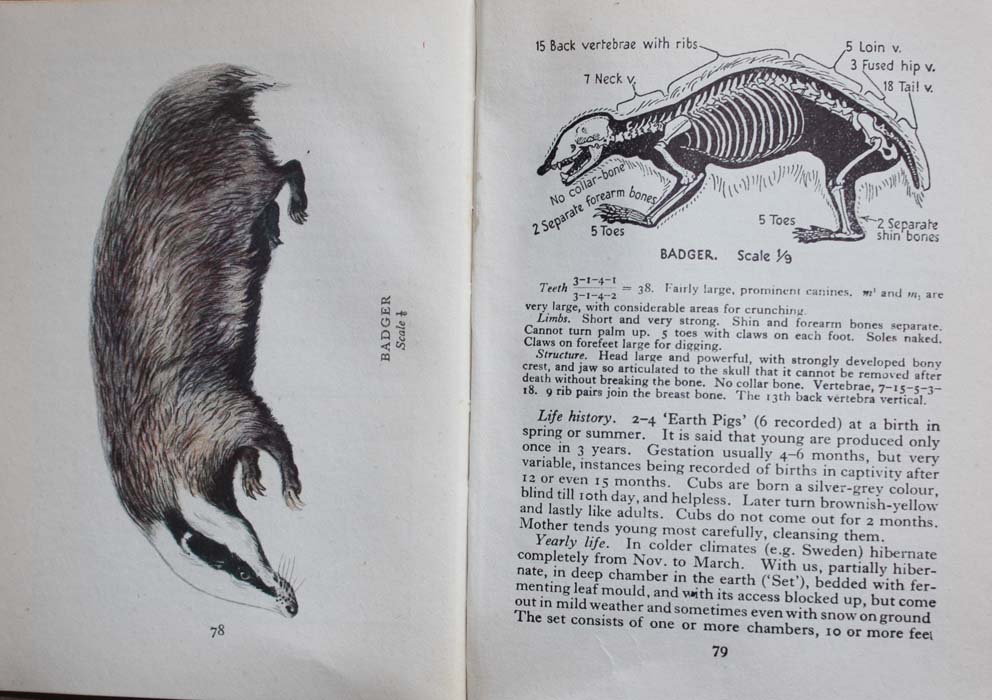
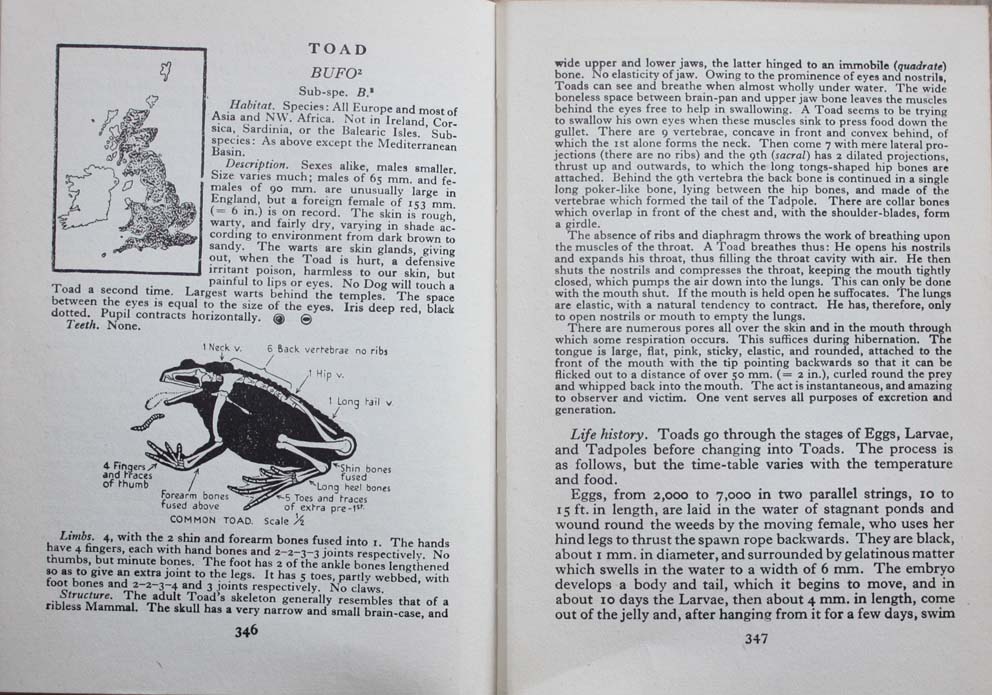
It’s not all about insects. Occasionally I have to find out something about ‘other’ wildlife. In which case, as well as resorting to the interweb, I scour my bookshelves to see what old reference books I can find. This is one of my favourites:

I use it lots. Its rather tatty cover is a dead giveaway.

When it first appeared (1937), it was quite revolutionary in its style and format. Gone were the wordy descriptions of the Victorian gentlemen from a generation or two before. Here instead was a clipped military staccato prose of precise information delivered in short detailed phrases. Of the badger, for example:

“Sexes alike. Female (‘Sow’) usually slightly smaller than male (‘Boar’). Length 28 in. plus 8 in. tail. Weight very variable; average, boar about 25 lb., sow 22 lb., but recorded up to 40 lb. Thickset, bear-like, round-backed, very powerful. Fur coarse, long, and loose. Foetid gland under tail. 6 teats.”

That would have taken half a page a few years earlier. Sandars also included some of the first distribution maps, rather stylized but very useful, along with drawings of skeleton, dentition, gait and footprints. He relates life histories, daily activities and yearly routines, and he gives all the information you might need about food, calls, habits, enemies and distribution.

His concise text is not at all dry; like many writers he found a sharp clarity, and sometimes a whimsical wit, in being so constrained, and every animal chapter or description contains delightful nuggets, like the title of this blog entry. Just opening the book at random —

Whales and dolphins:

“Except Man, the Killer Whale, and some parasites, the great Whales have no enemies, but whaling must be considered because it has almost exterminated them. The oceans being no-man’s land, it has been found impossible to make effective game laws.”

Suffolk horses (lots of farm animals in the book as well as wild):

“Of fine constitution, long lived, handy, and active, they show unequalled pluck at a dead pull.”

Slow worm:

“Not particularly slow, but rarely in a hurry”.

Bank vole:

“Voice. Short, grunting squeaks. They also grind their teeth in rage.”

Daubenton’s Bat:

“Skim low over water, sometimes zigzagging Swallow-like, and sometimes hovering with quivering wing as a Sandpiper, often dipping to the surface to drink and take ephemerids. Frequently take a fisherman’s fly.”

Man:

“More nearly naked than any Mammal except the Whales…The hands (with 5 nailed fingers) are used only for work, play, or combat, rarely for crawling…There is no special mating season…Sleeps lying down…He does not get each meal by his own effort of hunting or browsing. He eats what other Men have garnered or killed. A Man usually produces nothing for his own use, very rarely much…Almost omnivorous, but eat very few raw foods, such as oysters, salads, fruits and nuts. Cannot digest grass, even cooked…The voice of the Males is louder and deeper, of Females higher pitched and, perhaps less usually silent.”

It was the 1930s, mild sexism was de rigueur.

I am Wallace’s werewolf

Alfred Russel Wallace is famously described as Darwin’s Moon. In which case I’m pleased to howl in his support, whenever I get the chance. Although Wallace came up with the same idea, it was Darwin, the older man, the established natural philosopher scientist and wealthy country gentleman, whose name is now primarily linked with evolution and natural selection.  Especially in the public mind, Wallace has been eclipsed.

When I had a short-term contract to sort through Frederick Horniman’s collection of exotic beetles (mostly showy and brightly coloured chafers and longhorns) still housed in the Horniman Museum, it was a thrilling discovery to come across several specimens collected by Wallace in Aru, Ternate and other Indonesian islands either side of the Wallace Line.

So it was with great pleasure that I found I was able to weave Wallace into the pages of Mosquito. I couldn’t believe the rich vein of mosquito references in his books, the importance he laid on his mosquito netting, and the deliciously neat way that malaria runs straight on to his ‘cold fit of ague’ in Ternate where he wrote that concise and focussed essay ‘On the tendency of varieties to depart indefinitely form the original type’ that he mailed to Darwin.

The original ‘Ternate’ essay reproduced after Darwin’s at the Linnean Society meeting is here.

The first proofs of Mosquito have arrived, and I’m bouncing with excitement to show off a few pages. So here is my homage to Wallace. These are screen-grabs from the uncorrected first PDF proofs, and I know that his name is spelled wrongly in the figure captions.

The wind blows across the sacred beacon hills of my childhood

I have been invited to interview Sir David Attenborough at Glyndebourne, for Countryfile Magazine. Even my children are impressed. The opera house has installed a wind turbine to provide it with electricity, and when it went to a public enquiry, David Attenborough spoke in support of the proposal. Friday was the official opening and press launch.

I grew up here; it was 6 miles from my house to the opera as the crow flies. I never went, though. Once, I was 10 or 12 maybe, I was waiting for the Newhaven train at Lewes Station and was surprised to see a train pull in with carriages entirely populated by passengers in black tie and ball gowns. Off to the opera I was told. I don’t think I entirely knew what opera was. But I knew every curve of the hills from my doorstep to the great sweep of the steep chalk scarp overlooking the Sussex Weald. This is, I think, one of the most beautiful landscapes on Earth, and it still makes me cry when I look out from the beacon hills above Firle.

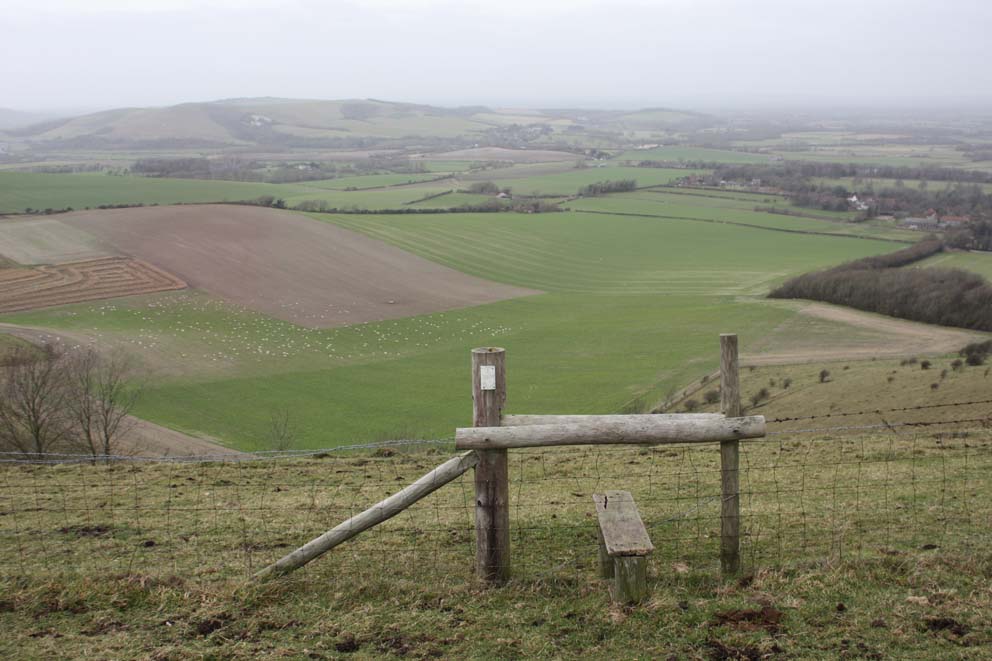
Who could resist stepping over this stile and being swept off on an adventure in the meadows and copses of the Sussex Weald?

It was to this chalk down I set out for, before the formalities of the day, and it made me cry again; partly it was the blistering wind in my face. No-one else was on the hills that day. There were plenty of sheep though. Looking out across the chequerboard of erratic fields and woods below I was reminded of those idyllic landscape paintings by A.E. Bestall that formed the endpapers of the Rupert Annuals in the 1950s and ’60s. I was always fascinated by this higgledy-piggledy jumble of hedgerows, streams, meadows, woods and coppice. It could only have been constructed, piecemeal, over the centuries; it’s so different to the structured geometric grid landscapes of East Anglia.

Looking back across the downs to Newhaven they were, still, very much as I remembered them. The steep edges of the undulating combes remain thankfully unploughed, browner against the crop fields and grazing meadows,  because of the rough flowery grassland and dotted gorse scrub. These were the haunts of all those fantastic chalk downland insects I found. Poverty Bottom and Devil’s Rest Bottom were the scenes of regular visits. My aunts used to giggle slightly at the mention of them — ‘bottom’, how rude.

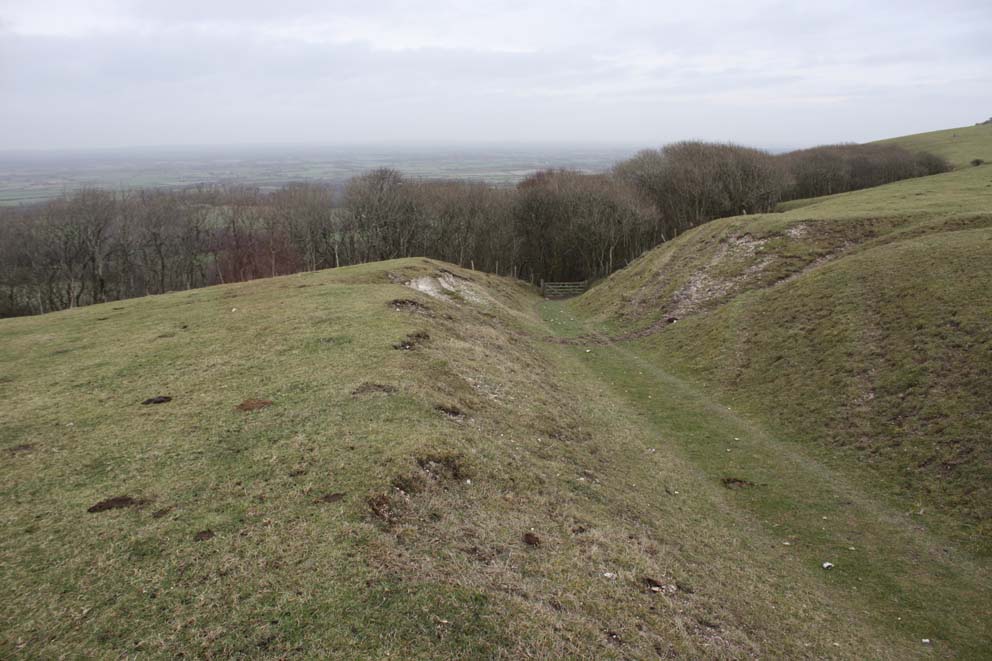
As I strode up to the beacon top, from the small car park, I was reminded just how ancient was this place. A sunken lane gathers itself from the hill crest and winds down through Firle Plantation, and off to the village below.

No machinery cut this way, just the passing foot traffic of — how long? Certainly many centuries, possibly several millennia.

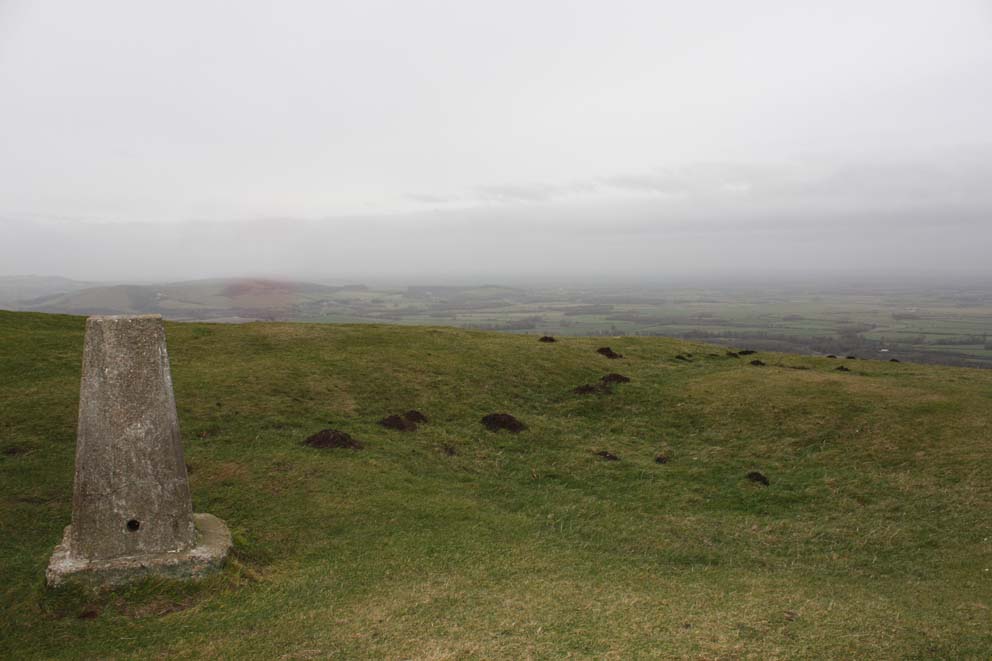
There are several of these old pathways crossing the downs, but many have had their outward signs obliterated by widening and tarmac. At the beacon top itself is another ancient sign, a series of burial tumuli, long ago desecrated and dug over, but still visible as an unnaturally undulating sward. The trigonometrical point is just off to one side, and in a modern echo of the mysterious earthworks a mole has been busy in the shallow topsoil.

It's probably many years since this trig point was used for surveying.

After an hour of struggling against the wild wind I set off for the civilization of Glyndebourne. Back to the 21st century. I recorded the 15-minute interview on my iPhone. It all seemed to go very fast, I’m not sure I asked enough questions so thought I’d check what was said as I sat in my car in the staff car park. Hmmm. The interview would not play back. I kept pressing the ‘play’ button, but it stalled and the screen seized. My anxiety was mounting and I became aware of the whoosh whoosh whooshing of blood in my ears. The drive back was slightly nerve-wracking. At what point do I panic that the technology has failed me? Thankfully the whooshing in my brain had stopped. It wasn’t my rising blood pressure, but the sweep of the turbine’s sails I had heard through the trees. It was a very windy day.